Pipe Repairs Inside Buildings: Smarter Solutions for Modern Times
Instead of digging up floors and walls, today’s pipe rehabilitation methods focus on repairing pipes from the inside
When you discover a leaking or blocked pipe inside your home or business, it’s easy to imagine the worst - dust everywhere, floors dug up, and days of disruption.
But the reality today is far more positive. Thanks to clever new techniques, most pipe problems can be sorted out quickly and cleanly, often without even lifting a floorboard.
Why Replace When You Can Rehabilitate?
Instead of digging up floors and walls, today’s pipe rehabilitation methods focus on repairing pipes from the inside.
This means less mess, less downtime, and often a much more cost-effective fix.
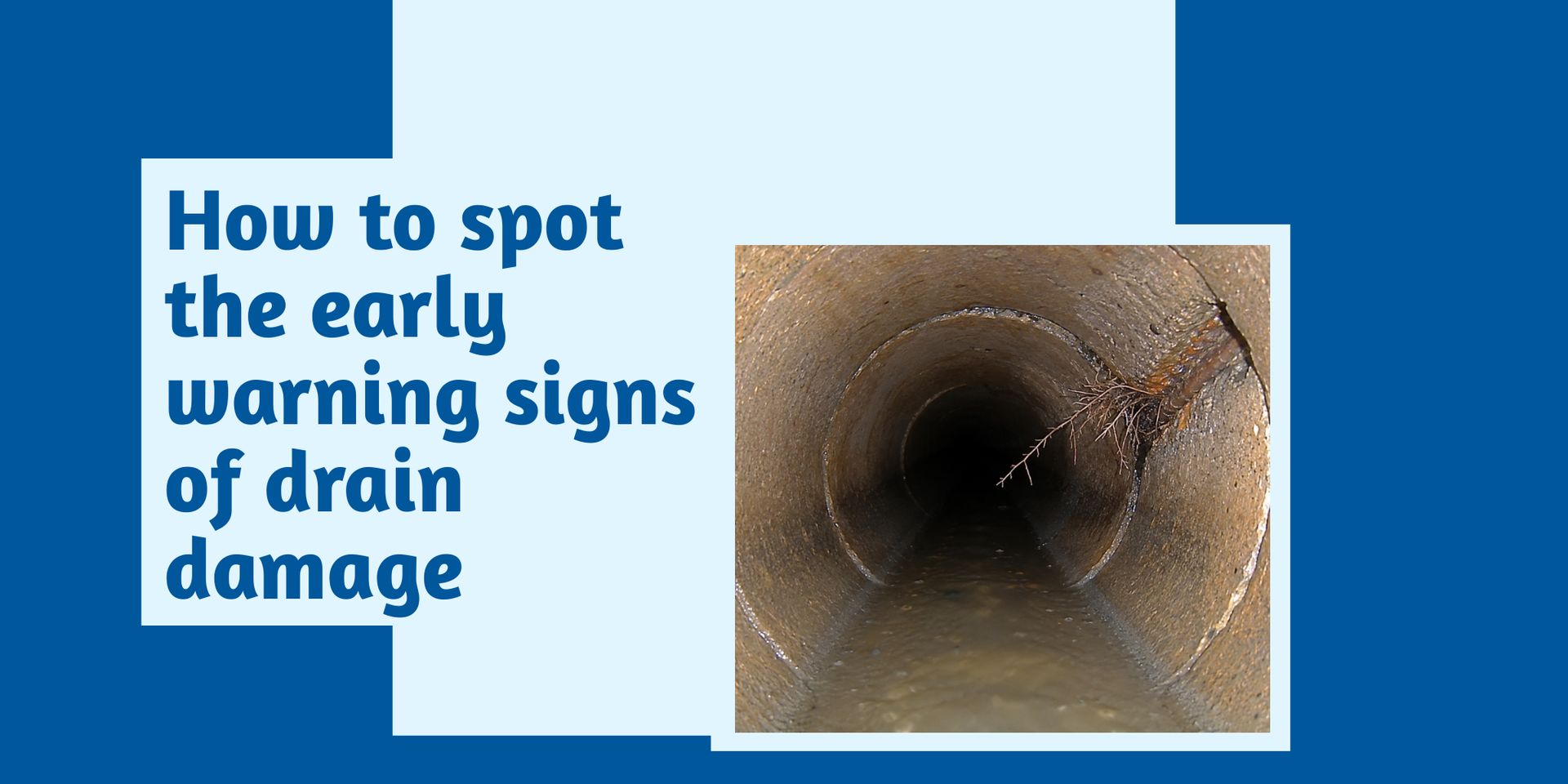
The process usually starts with a thorough inspection - often using CCTV cameras - to see exactly what’s going on inside the pipes.
Once the problem areas are identified, the right solution can be chosen

Modern Pipe Rehabilitation Options
There are a few main methods used to bring tired old pipes back to life:
Cured-in-Place Pipe (CIPP) Lining:
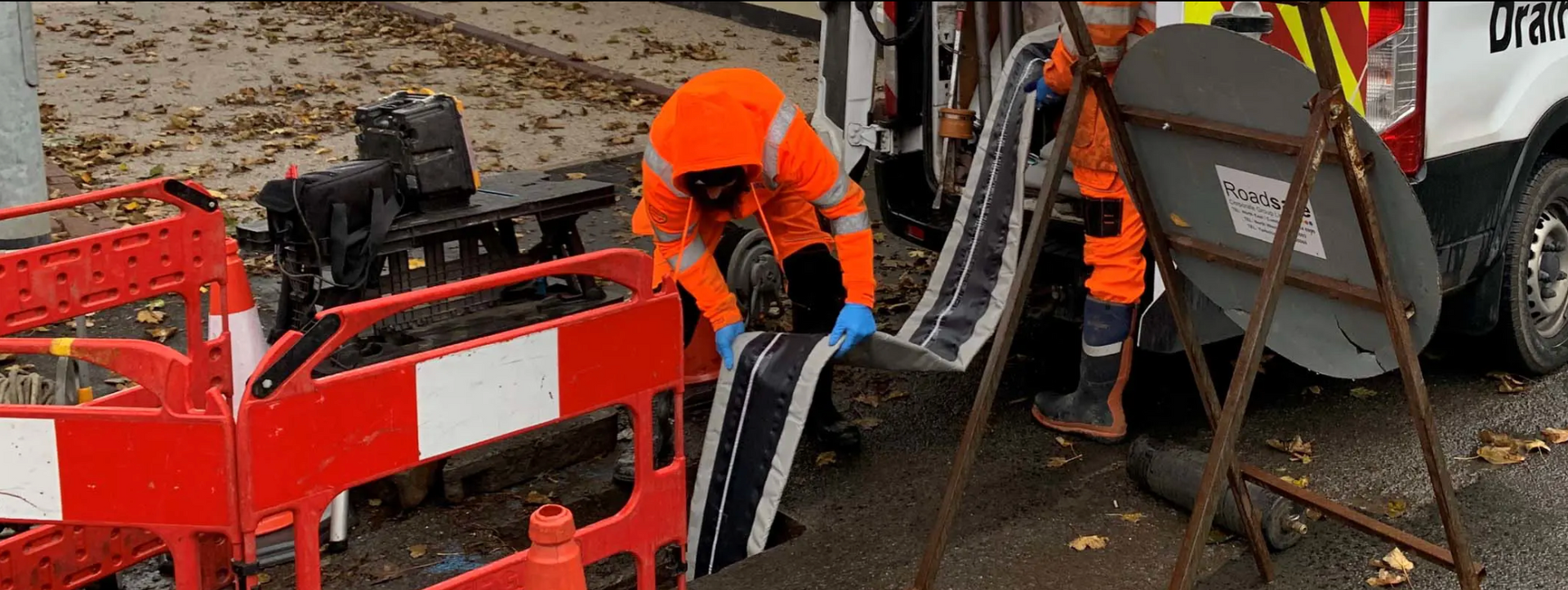
Think of this as giving your pipes a new lining from the inside. A flexible liner soaked in special resin is inserted into the pipe and then cured (hardened) in place, creating a tough, seamless new pipe within the old one.
It’s a popular choice because it works on all sorts of pipe shapes - even around bends - and is suitable for a range of pipe sizes.
Spray Coating:
For pipes that don’t need a full new lining, spray coating can be a great option.
This involves spraying a protective layer inside the pipe, sealing up cracks and minor leaks. It’s quick, effective, and leaves the pipe ready to use again in no time.
Brush or Patch Repairs:
Sometimes, only a small section of pipe needs attention. In these cases, targeted repairs using brushes or patches can seal up fine cracks or tiny holes without the need to treat the whole pipe.
Choosing the Right Approach
The best rehabilitation method depends on the type of pipe, the extent of the damage, and where the pipe is located.
For example, pipes with lots of bends or awkward access points might benefit most from CIPP lining, while straight runs with minor issues could be sorted with spray coating or patch repairs.
It’s also important to consider the impact on building occupants.
Modern techniques are designed to be as non-intrusive as possible, meaning businesses can often keep running and homeowners can stay put while repairs are carried out.

The Benefits Add Up
- Minimal Disruption: No need to dig up floors or walls.
- Cost-Effective: Usually cheaper than full pipe replacement.
- Quick Turnaround: Most jobs can be done in a day or two.
- Long-Lasting: Repairs are durable and can extend the life of old pipes for many years.
Final Thoughts
Pipe rehabilitation inside buildings has come a long way. Thanks to advances in technology and smarter repair methods, it’s now possible to fix even tricky pipe problems quickly, cleanly, and with minimal fuss.
If you’re facing issues with aging or damaged pipes, it’s well worth exploring these modern solutions before considering a full replacement.

Geoff Ward