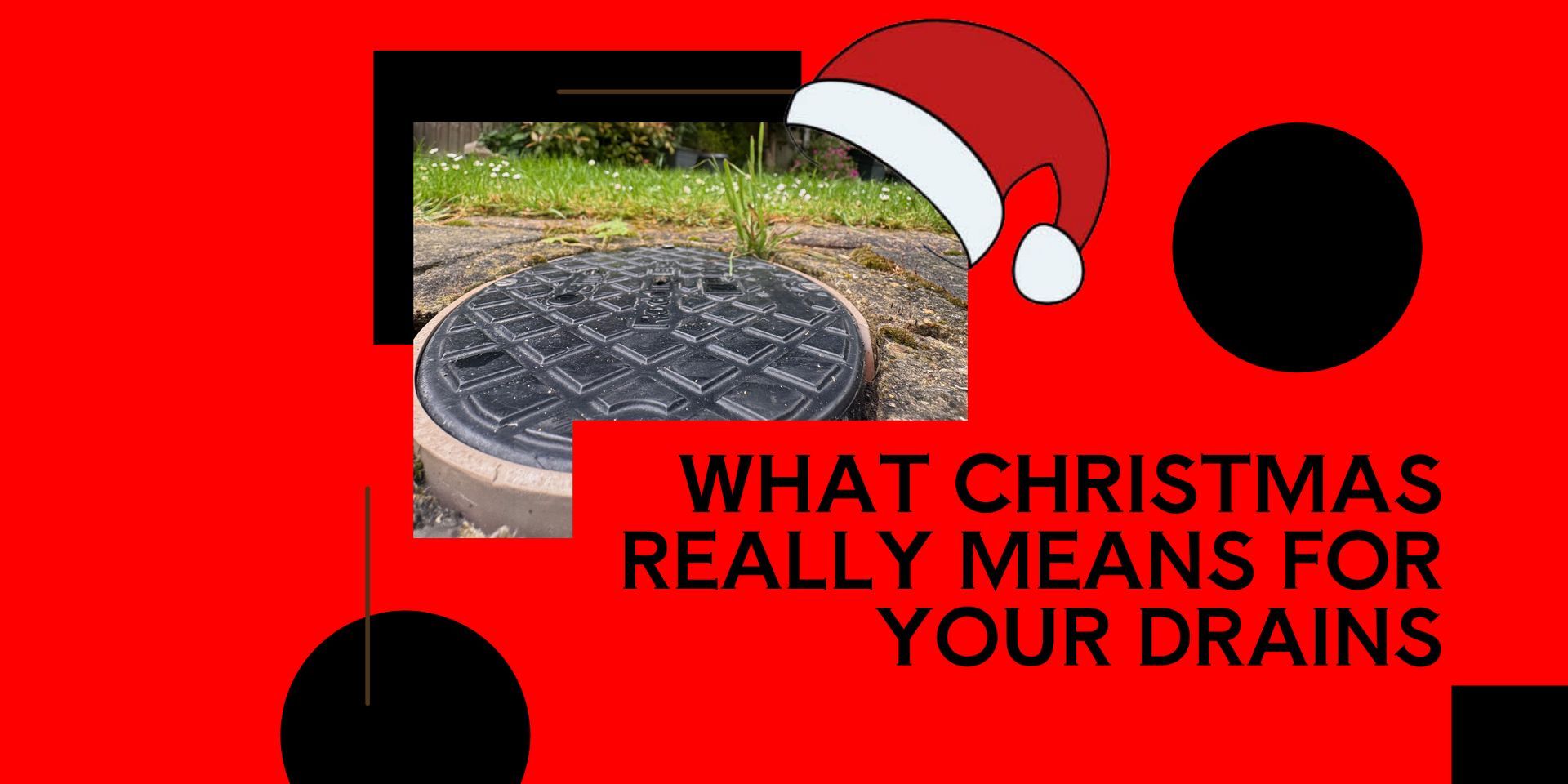
What Christmas Really Means for Your Drains
At Christmas your drainage system is dealing with far more than it's used to
We all love Christmas. The family gatherings, the endless cooking, the mountains of food.
But while you're enjoying the festivities, your drains are working overtime - and they're not always coping.
Every year without fail, we see a spike in emergency callouts during the Christmas period. It's not bad luck.
It's simply that your drainage system is dealing with far more than it's used to, and if it's not quite up to scratch, Christmas is when it'll let you know.
Why Do Drains Block More at Christmas?
The answer is straightforward: volume and variety. You're cooking more, using more water, and putting things down the sink that don't normally go there.
Turkey fat, gravy remnants, vegetable peelings, leftover sauces - it all adds up.
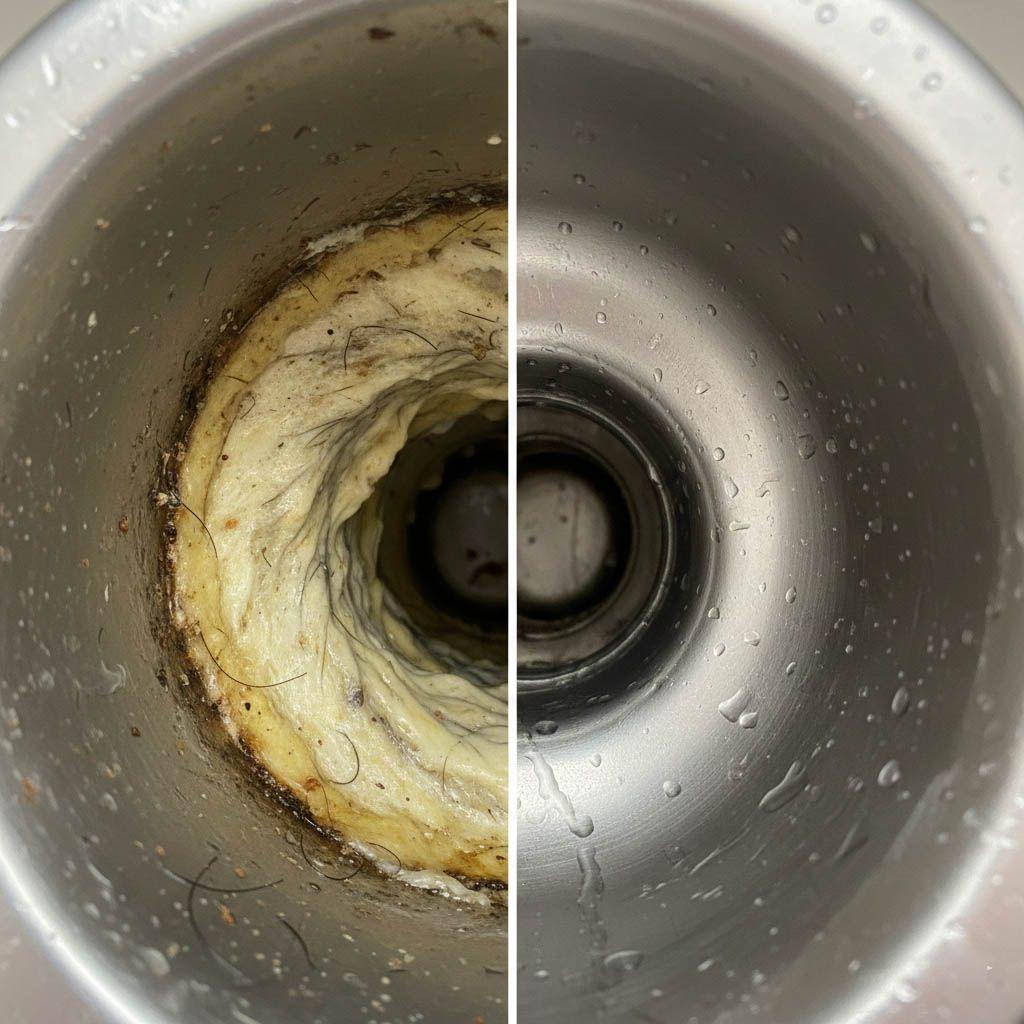
Fat is the main culprit. When you pour hot fat or oil down the sink, it seems harmless. It's liquid, after all.
But as it cools in your pipes, it solidifies. Over time, it builds up, narrowing the pipe until water struggles to get through.
Add in some potato peelings or coffee grounds, and you've got a blockage waiting to happen.
Then there's the sheer amount of use. More people in the house means more showers, more toilet flushes, more washing up.
If your drains are already a bit sluggish, Christmas is the stress test they didn't ask for.
The Warning Signs
Most blockages don't appear out of nowhere. Your drains will usually give you a heads-up if you know what to look for.
Water draining slowly from the sink is the classic sign.
If you're standing there waiting for the washing-up water to disappear, that's your drain telling you it's struggling.
Gurgling noises from plug holes or toilets are another giveaway - it means air is trapped somewhere it shouldn't be.
And if you're noticing unpleasant smells coming from your drains, that's often a sign that waste isn't flowing away properly. It's sitting in the pipe, decomposing.
How to Protect Your Drains This Christmas
The good news is that most blockages are preventable with a bit of care.
Never pour fat, oil, or grease down the sink.
Let it cool in a container, then bin it. This one habit will save you a world of trouble.
Scrape plates thoroughly before washing.
Even small bits of food can contribute to blockages over time, especially when combined with fat.
Use sink strainers.
They're cheap, simple, and they catch the bits that would otherwise head down your pipes.
Run hot water after washing up.
A good flush of hot water helps clear residual grease before it has a chance to solidify.
Don't treat your toilet like a bin.
Wet wipes, cotton wool, sanitary products - none of these belong down the toilet, even if the packaging says "flushable."
If you've got guests staying, it's worth mentioning these basics to them too. People often don't realise the impact of small habits, especially if they're not the ones dealing with the consequences.
What If Disaster Strikes?
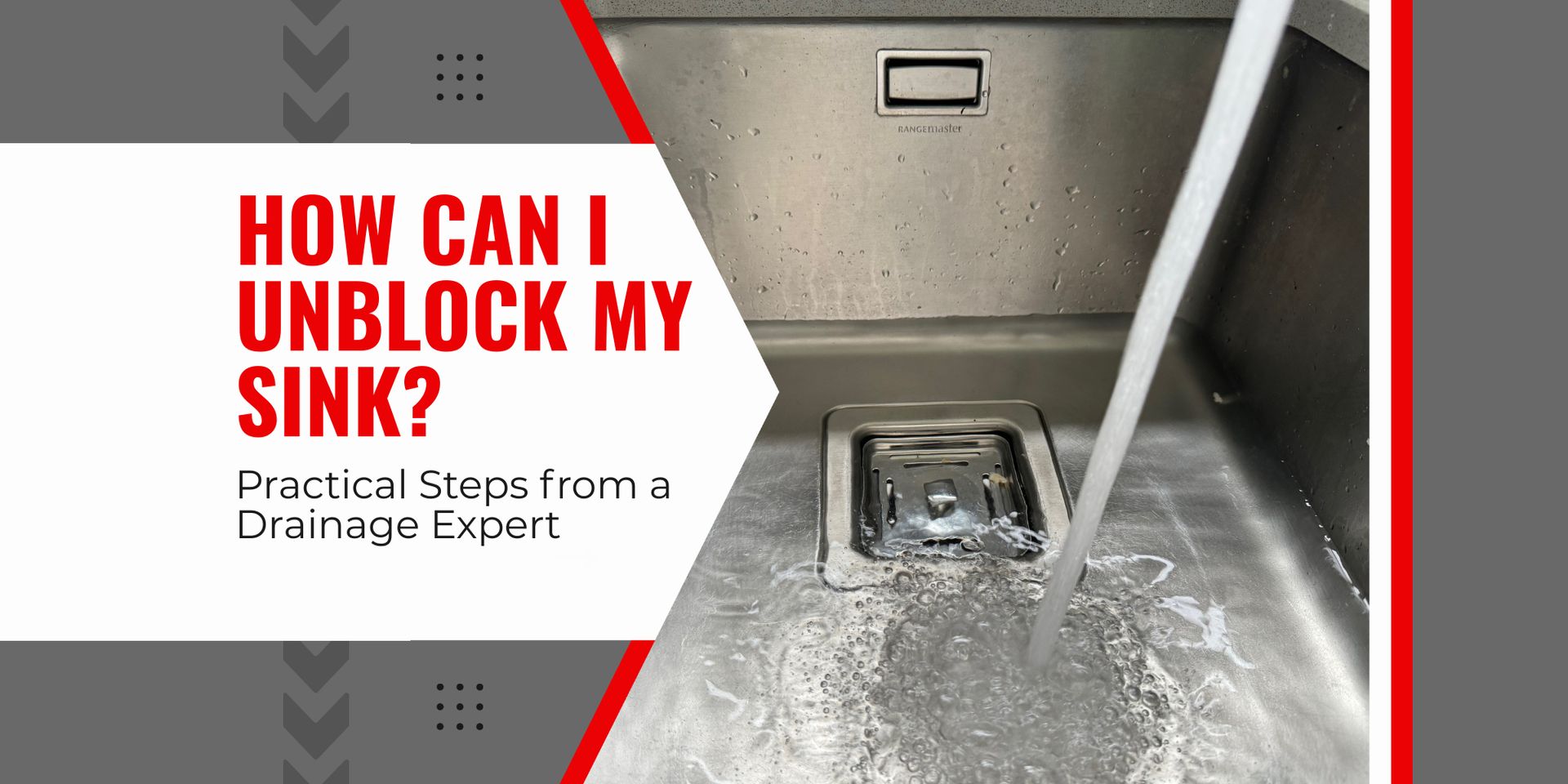
If you do end up with a blocked drain on Christmas Day, don't panic. Sometimes a plunger and a bit of elbow grease will do the trick, especially if it's a minor blockage in the sink.
But if water's backing up, you're seeing sewage, or nothing's shifting, it's time to call a professional. Blocked drains don't fix themselves, and the longer you leave it, the worse it gets.
A Little Prevention Goes a Long Way
Christmas is hectic enough without adding a drainage emergency to the mix.
A bit of care with what goes down your sinks and toilets can make all the difference between a smooth festive period and a very unpleasant surprise.
Your drains work hard all year, but Christmas is their busiest time.
Treat them well, and they'll see you through the turkey, the trimmings, and all the chaos in between.
Happy Christmas - and here's to blockage-free celebrations.

Geoff Ward