7 Simple Drainage Tips Every Homeowner Should Know (Especially in Summer)
Most blockages don’t happen overnight - they build up slowly
Summer’s great for BBQs, having friends round, and getting stuck into jobs in the garden - but it’s also a time when we see a lot of totally avoidable household drainage problems.
Most blockages don’t happen overnight. They build up slowly from everyday habits, then one extra-heavy weekend of cooking, guests, or a downpour is enough to tip things over.
Here are seven simple, practical tips that can save you a lot of hassle.
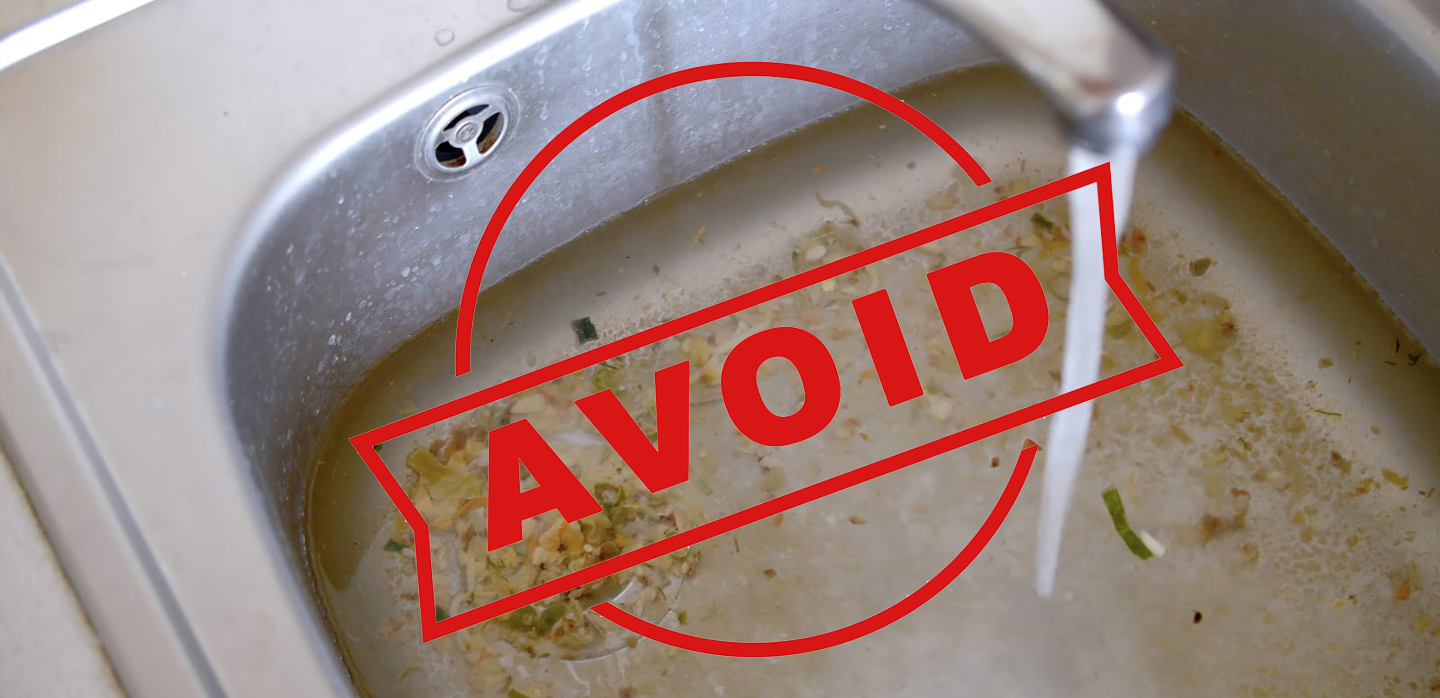
1) Never pour fats, oils or grease down the sink
Even if it goes down as a liquid, it cools inside the pipe and sticks to the sides.
Over time it catches food bits and turns into a proper blockage.
- Let it cool and scrape it into the bin
- Wipe greasy pans with kitchen roll before washing up
2) Use a sink strainer
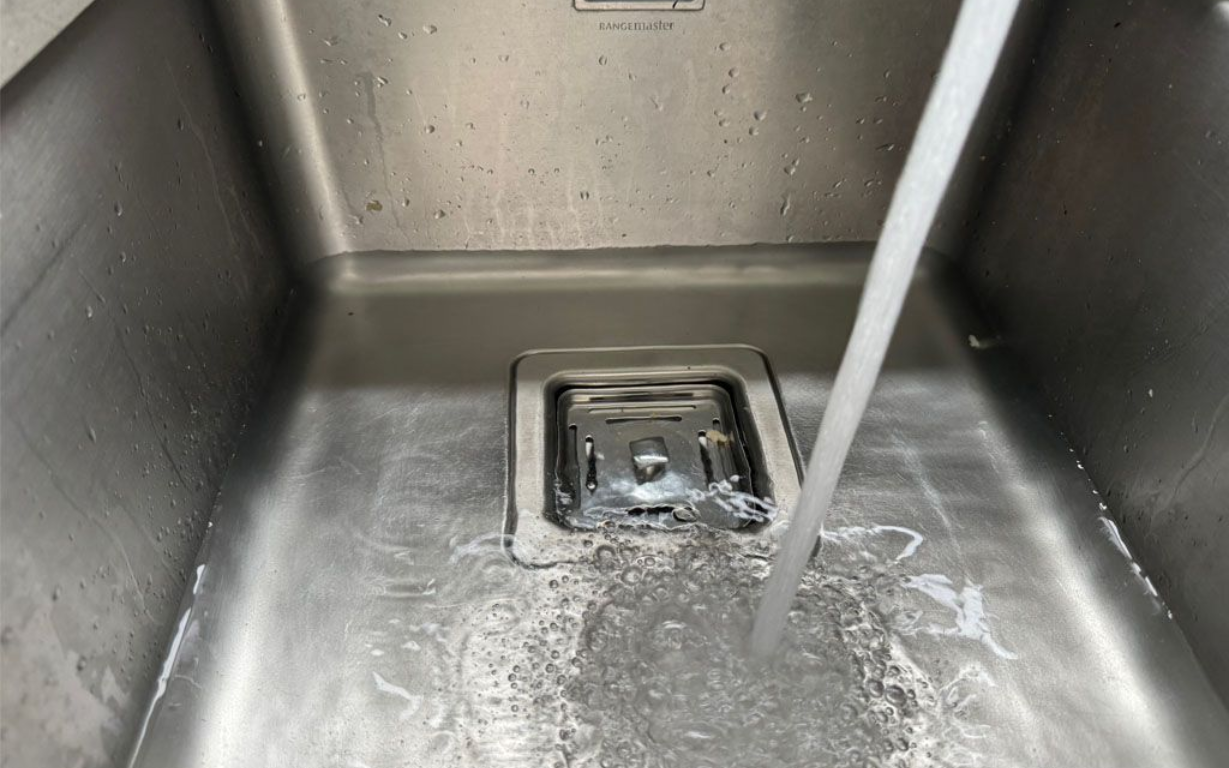
A cheap strainer in the kitchen plughole stops the usual culprits getting into the pipework.
- Food scraps, rice, pasta and coffee grounds are common offenders
- Empty the strainer into the bin after washing up
3) Give your kitchen sink a simple weekly “flush”
You don’t need anything fancy. A small routine helps reduce greasy build-up.
- Run hot water for a minute
- Add a good squirt of washing up liquid and let it run through
If you’ve got older pipework or you’re unsure, avoid tipping kettles of boiling water down the sink.
Very hot water can soften some plastics and stress joints.
4) In the bathroom, tackle hair before it becomes a blockage
Bathroom blockages are often a slow build: hair + soap scum + toothpaste residue.
- Fit a hair catcher in showers and baths
- Clean it every few days (it takes seconds and makes a big difference)
- Once a month, take the plug out and clean around the waste where hair tends to wrap itself
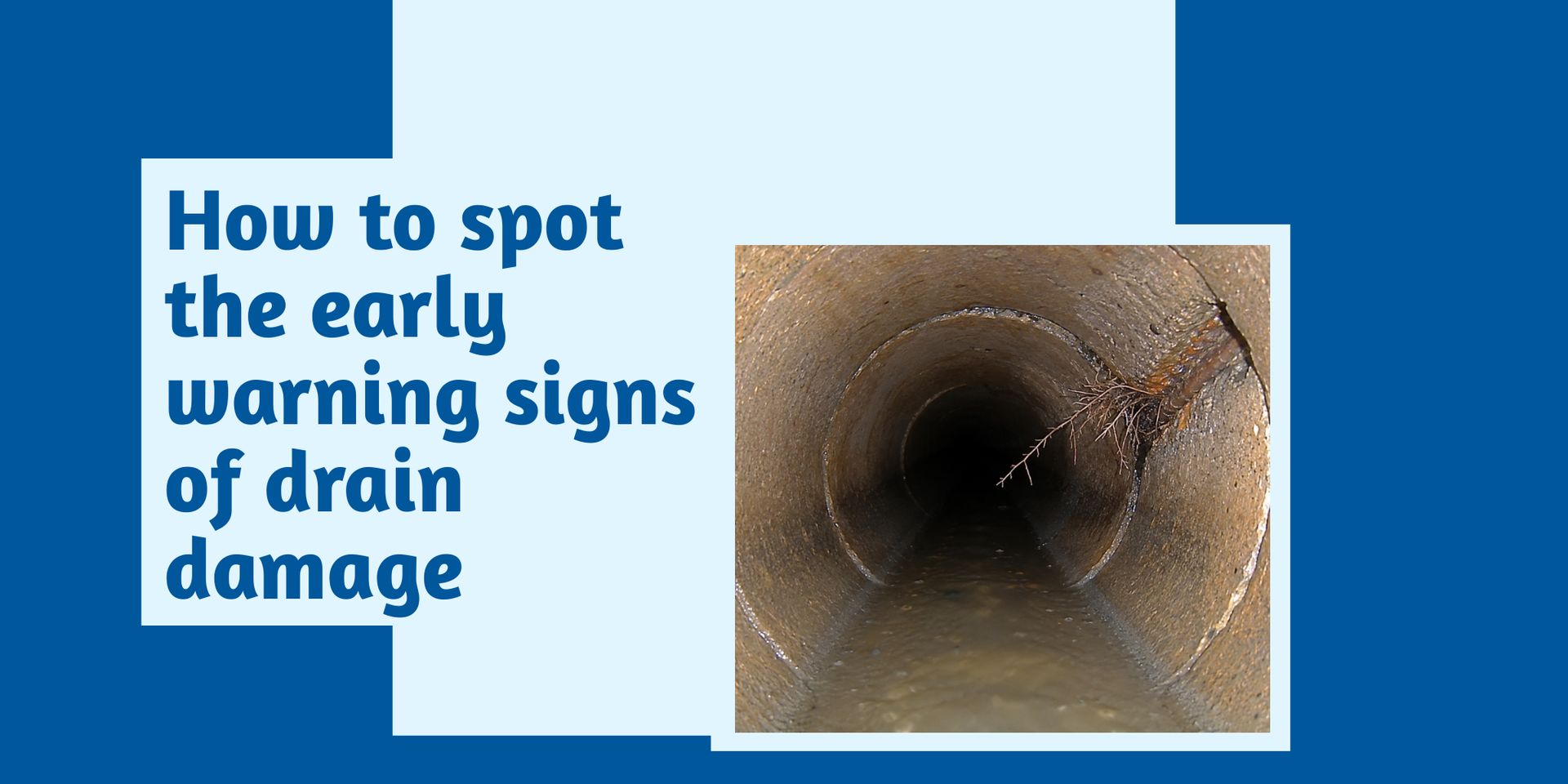
5) Don’t ignore the early warning signs
Most people only act when water stops draining completely - but there are usually clues before that.
Watch out for:
- Water draining slower than normal
- Gurgling sounds after you run taps or flush the toilet
- Bad smells that keep coming back
Catching it early is nearly always quicker (and cheaper) to sort.
6) Do a quick outside drain check after heavy rain (or garden work)
In summer, drains outside often get clogged with leaves, moss, silt, and whatever gets swept across patios and driveways.
- Lift and clear leaves/debris from gullies and grates (if it’s safe to do so)
- Don’t sweep soil, sand or grass cuttings into drains
- If you’ve been jet-washing patios, keep an eye on where the dirty run-off is going
7) Know when to DIY - and when to call someone out
There’s nothing wrong with trying the basics, but repeated “quick fixes” can sometimes make things worse.
DIY is usually fine for:
- Cleaning plugholes and traps
- Clearing leaves from outside gullies
- A plunger on a single slow-draining sink
It’s time to get help if:
- More than one drain is affected at the same time
- You’ve got water backing up (especially in a shower or bath)
- There’s a sewage smell, or anything coming back up
- The same blockage keeps returning
A quick final thought
A lot of household drainage problems come down to small habits - and the good news is small habits are easy to change.

Geoff Ward