How to Spot the Early Warning Signs of Drain Damage (Before It Turns Into a Mess)
Learn to spot early warning signs of drain damage
Most drain problems don’t start with a dramatic flood. They usually begin with small, annoying signs you can easily brush off - a bit of gurgling, a slow sink, a smell that comes and goes.
The trouble is: those “minor” symptoms can be your drainage system telling you something’s not right. Catching it early often means a simpler fix. Leaving it can mean bigger disruption later.
Here are the early warning signs we’d always take seriously, and what they can mean in the real world.
1) Gurgling and bubbling noises
If you’re hearing gurgling when water drains away - or your toilet bubbles when you run the bath - it’s usually a sign the system isn’t breathing or flowing properly.
That can happen when:
- there’s a partial blockage building up
- a pipe has shifted or cracked and is catching debris
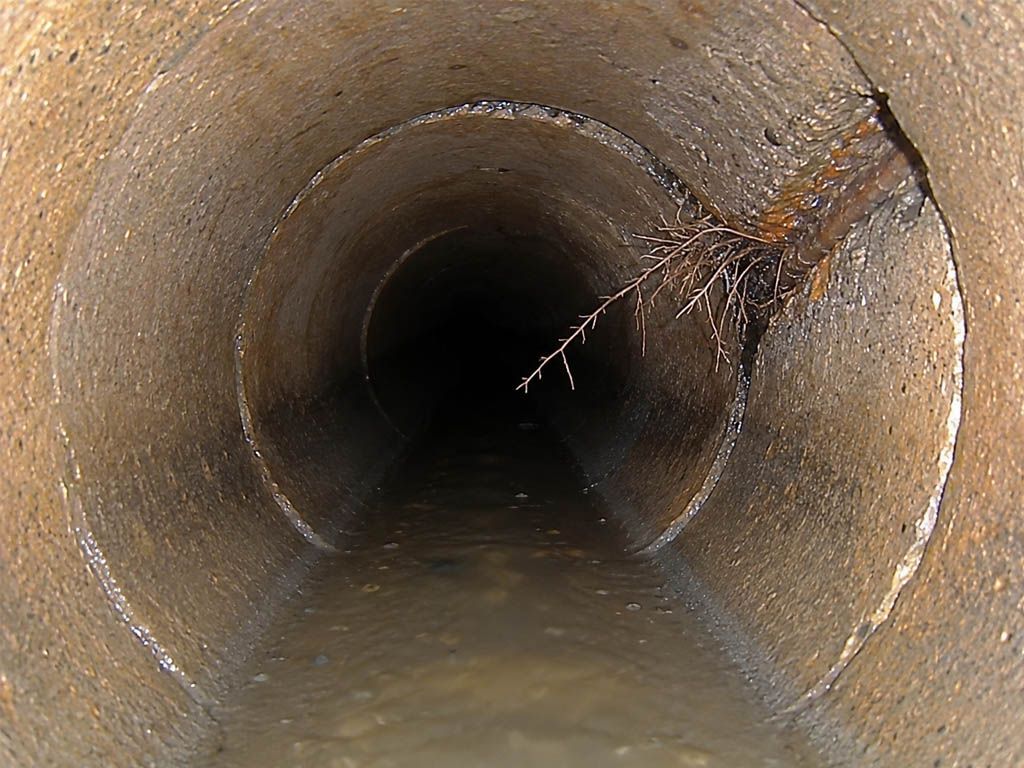
- roots have started getting in through joints
One-off noises can happen, but if it’s repeating over a few days (or getting worse), it’s worth investigating rather than hoping it clears itself.
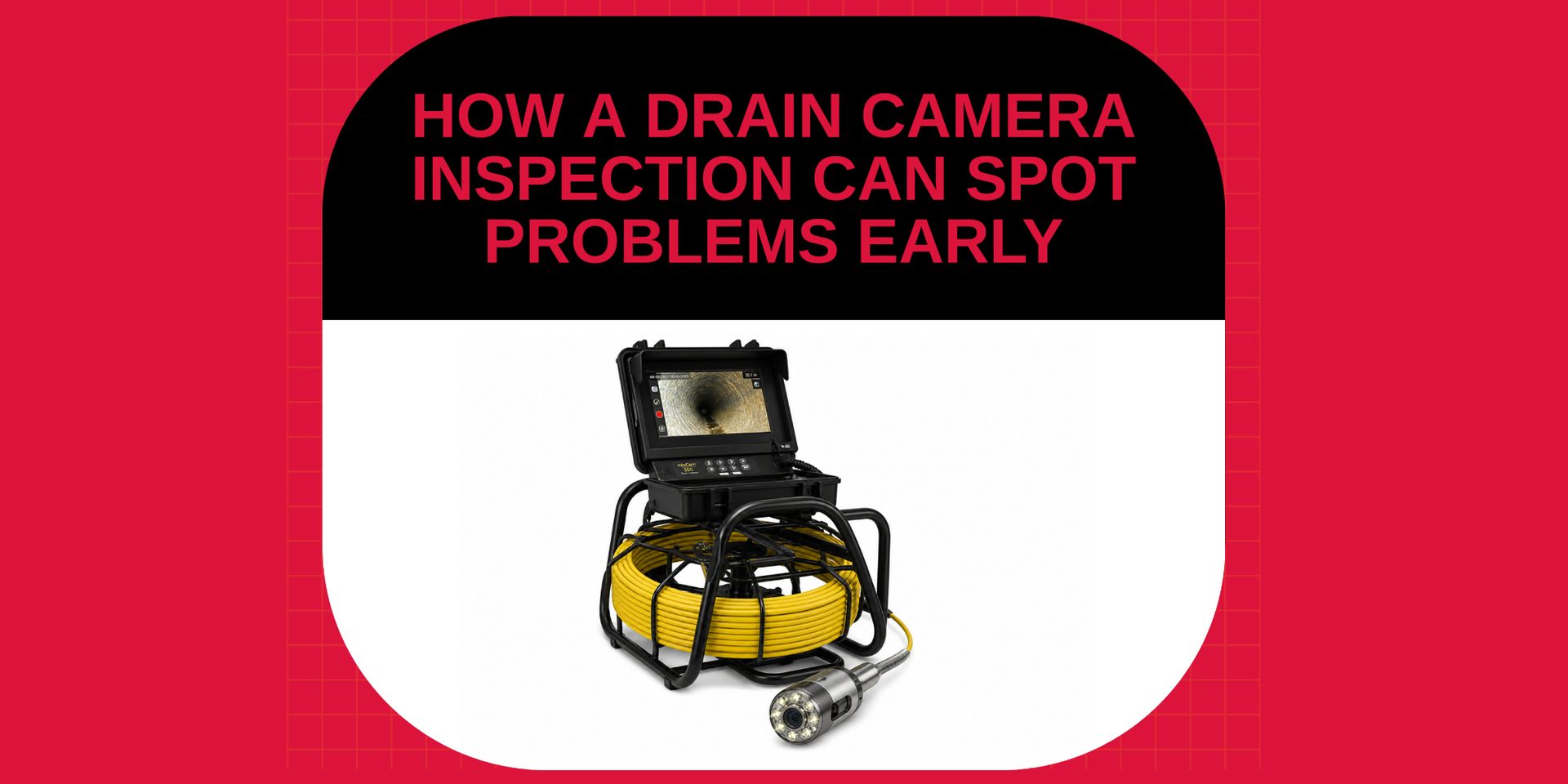
What we’d do next: a CCTV drain survey is often the quickest way to see what’s going on without digging anything up.
2) Slow draining in more than one place
A single slow sink is often just a local blockage (hair, soap, food waste, etc.). But when multiple fixtures are slow - for example the kitchen sink, shower, and downstairs loo all struggling - that usually points to a problem further down the line.
Common causes include:
- a build-up in the main run
- root ingress (this tends to get worse gradually)
- a damaged section of pipe restricting flow
If you’re noticing the whole property feels “sluggish”, don’t keep treating each drain as a separate issue - it’s often one shared problem.
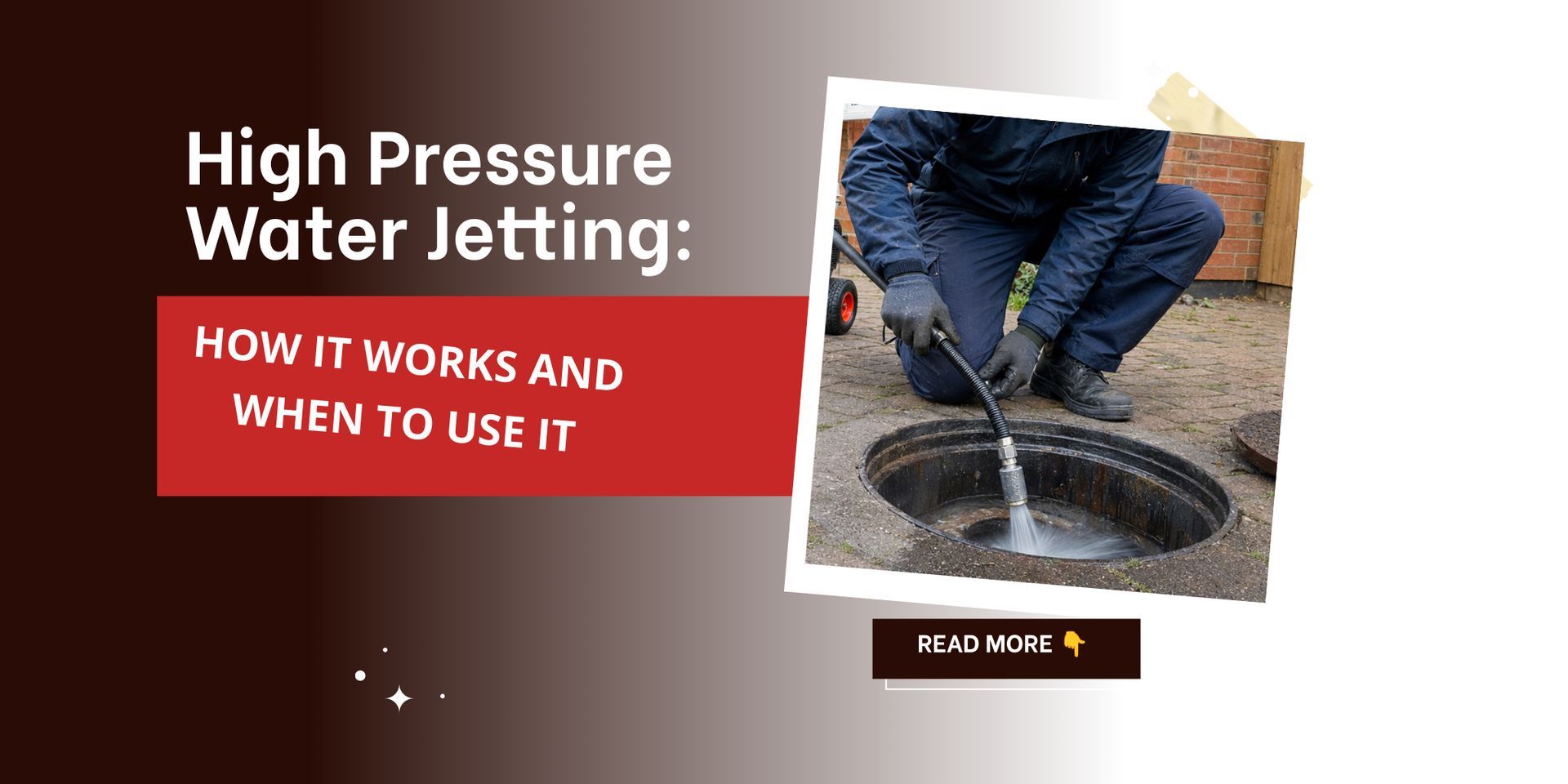
What we’d do next: proper clearance (often jetting) and then checking the condition of the pipework so it doesn’t just come straight back.
3) Bad smells that keep returning
A healthy drainage system shouldn’t be letting smells hang around. If you’re getting persistent odours near a drain, manhole, or gully - or even inside the property - it can mean waste water isn’t staying where it should.
Smells can come from:
- cracked or open joints
- standing water caused by a belly/sag in the pipe
- blockages that are holding waste in the line
Sometimes people try to mask this with cleaners or air fresheners, but if the smell keeps returning, it’s usually a sign of an underlying issue.
What we’d do next: locate the source properly (often with CCTV, sometimes with tracing methods depending on the situation).
4) Soggy patches, dips, or “mysteriously green” grass
This one catches people out. If part of your garden stays wet when everything else dries out - or you notice a dip forming - it can be linked to a leaking drain run underneath.
Another giveaway is a patch of grass that’s noticeably greener and faster-growing than the rest (as odd as that sounds). Waste water can act like fertiliser.
What to watch for:
- soft ground that feels like it’s giving way
- puddling in the same spot after normal rain
- a new depression near where you know drains run
5) Cracks or movement around the property
Not every crack is a drainage problem - but leaking drains can wash away supporting ground over time, especially if the leak is close to foundations or under hardstanding.
If you’re seeing:
- new cracks appearing (or existing ones widening)
- paving slabs starting to rock or sink
- driveway sections dropping slightly
…then it’s worth considering drains as part of the investigation, particularly if you’ve also got smells, slow drainage, or gurgling.
6) More pest activity than usual
Damaged drains can become a route and a habitat for pests. If you’re suddenly noticing more rat activity around the property (or near inspection covers), it’s not something to ignore.
Cracks and broken sections can give access points that simply shouldn’t exist.
7) Damp patches or mould that don’t make sense
If you’ve got damp on a ground-floor wall, skirting area, or a musty smell that doesn’t improve with ventilation, it’s not always “just condensation”.
Leaks from drains can travel and show up in odd places - and people sometimes spend money redecorating or treating damp without fixing the cause.
What to do if you spot any of these signs
A few sensible steps can save a lot of hassle:
- Make a quick note of what’s happening (which drains, when, how often)
- Take photos of anything visible (standing water, damp patches, dips in the ground)
- Avoid harsh chemicals if you suspect damage - they can make some pipe issues worse
- Don’t keep “spot-fixing” individual drains if the problem is showing up across the property
If symptoms are persistent, a CCTV drain inspection is usually the most straightforward way to get answers quickly - no guesswork, and no unnecessary digging.

Geoff Ward