High Pressure Water Jetting: How It Works and When to Use It
Just high pressure water - no chemicals!
High pressure water jetting is one of the most effective ways to clear blocked drains and properly clean pipework.
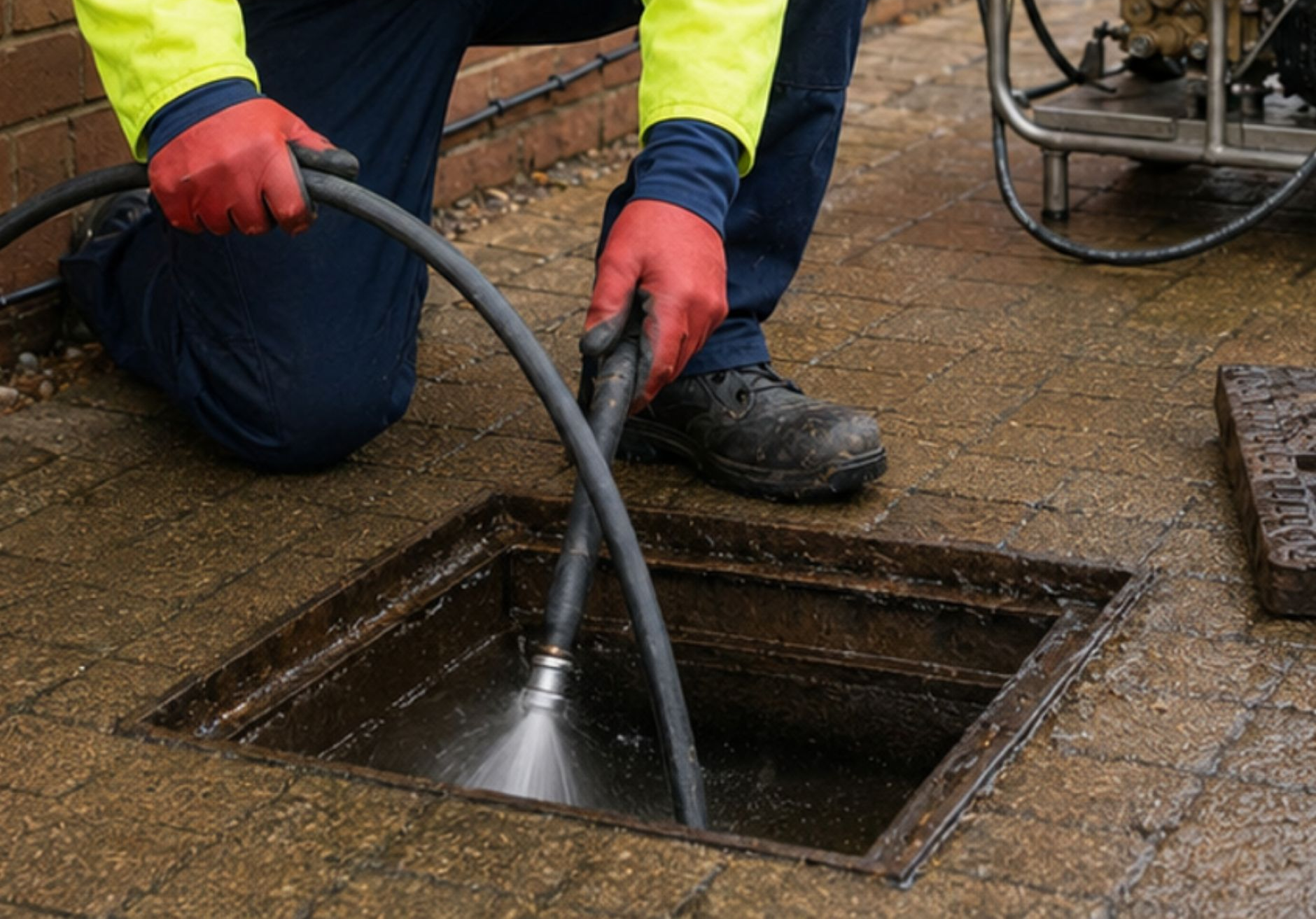
Using a specialist pump and jetting hose, we send water through the system at high velocity to break up blockages, strip away grease and scale, and flush debris out of the line.
At Commercial Drainage Services Essex Ltd (CDS), we carry out high pressure water jetting with no call out charge across Essex, London and Kent.
What is high pressure water jetting?
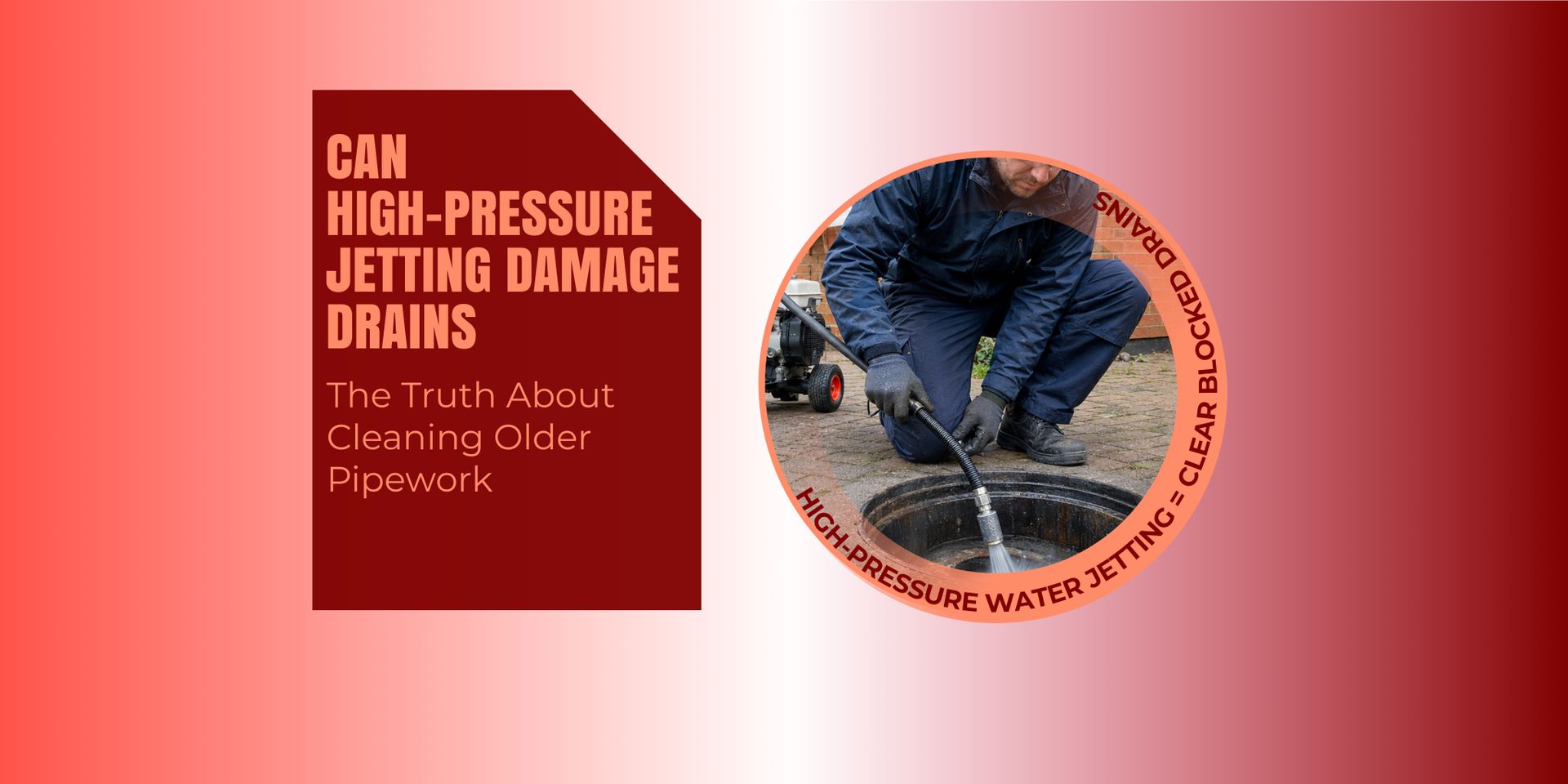
High pressure water jetting is a professional drain cleaning method where water is delivered through a reinforced hose at high pressure (often up to around 4,000 PSI depending on the job).
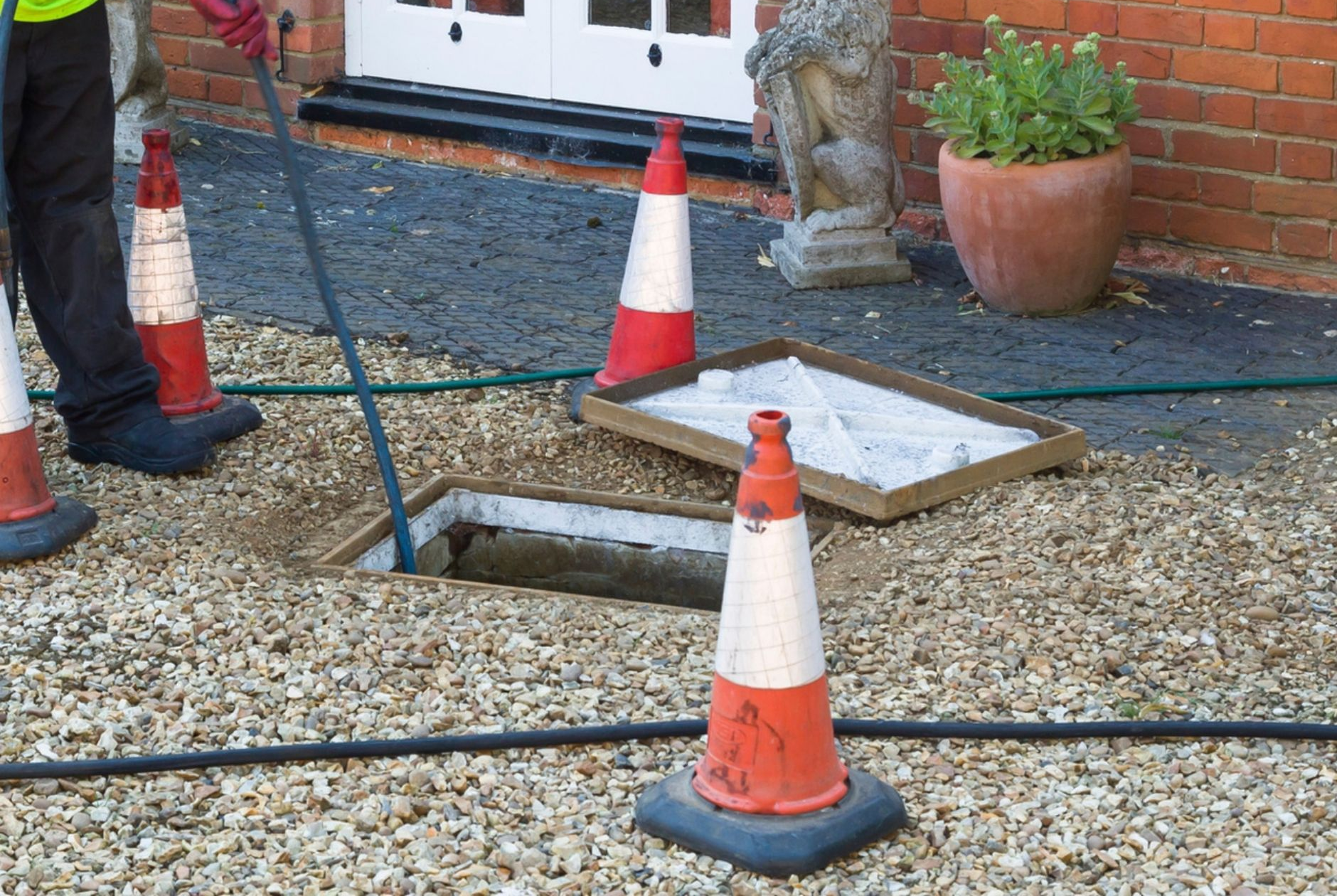
The nozzle is fed into the drain via a manhole, inspection chamber or access point, and the water jets do the work.
Compared with DIY chemicals or simply running a hose into a drain, jetting has the force to:
- Break apart compacted blockages
- Scour the internal walls of the pipe
- Remove the residue that causes repeat problems
It’s used on both domestic and commercial systems - from a slow kitchen line to a long underground run serving a warehouse or office site.

How the jetting process works (step by step)
We keep the process straightforward and as low-disruption as possible.
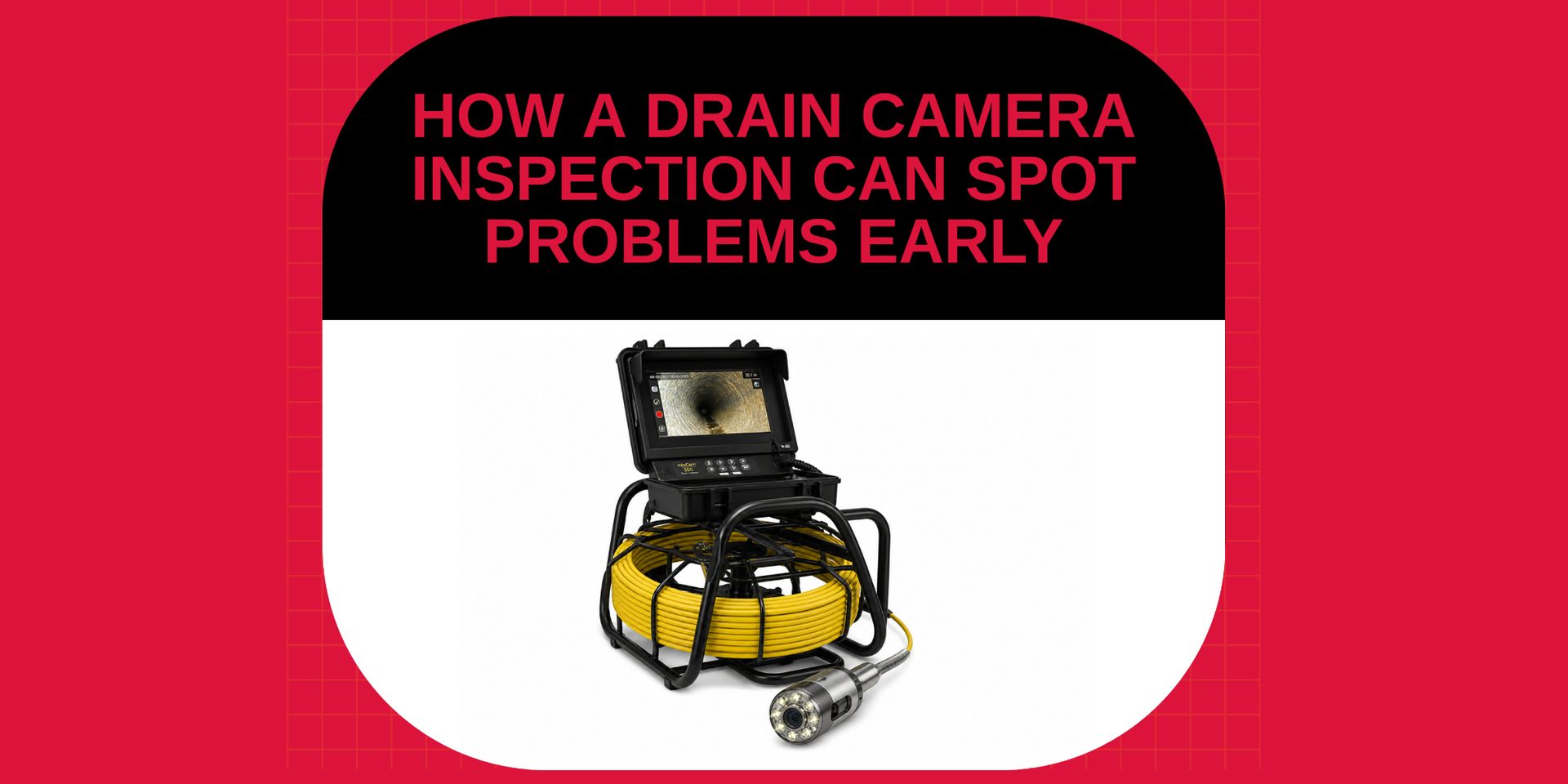
- Assessment: We check the symptoms and access points and make an initial judgement on likely causes. If there’s any concern about pipe condition (or the blockage is recurring), we may recommend a CCTV drain survey first.
- Set-up and hose insertion: We use van-or trailer-mounted jetting units with a high-pressure pump and a hose reel. Hose lengths can be 30 metres to 100+ metres depending on the site.
- Jetting and clearance: The nozzle is chosen to match the problem (for example, a cutting nozzle to open up a stubborn restriction, or a rotating nozzle to clean the walls). We jet through the blockage and flush the debris through the system.
- Pipe wall cleaning: As the hose is withdrawn, rear-facing jets scour the pipework to remove grease, scale and remaining residue.
- Flow check (and optional camera confirmation): We confirm the line is running freely. Where appropriate, we’ll recommend a follow-up CCTV check to confirm the pipe is clear and identify any defects that could cause future issues.
What types of blockages can water jetting clear?
Jetting is effective against most of the common causes we see across Essex, London and Kent, including:
- Grease and fat build-up (especially in kitchens and food premises)
- Silt and sediment in underground runs and surface water lines
- Scale from hard water that gradually narrows the pipe
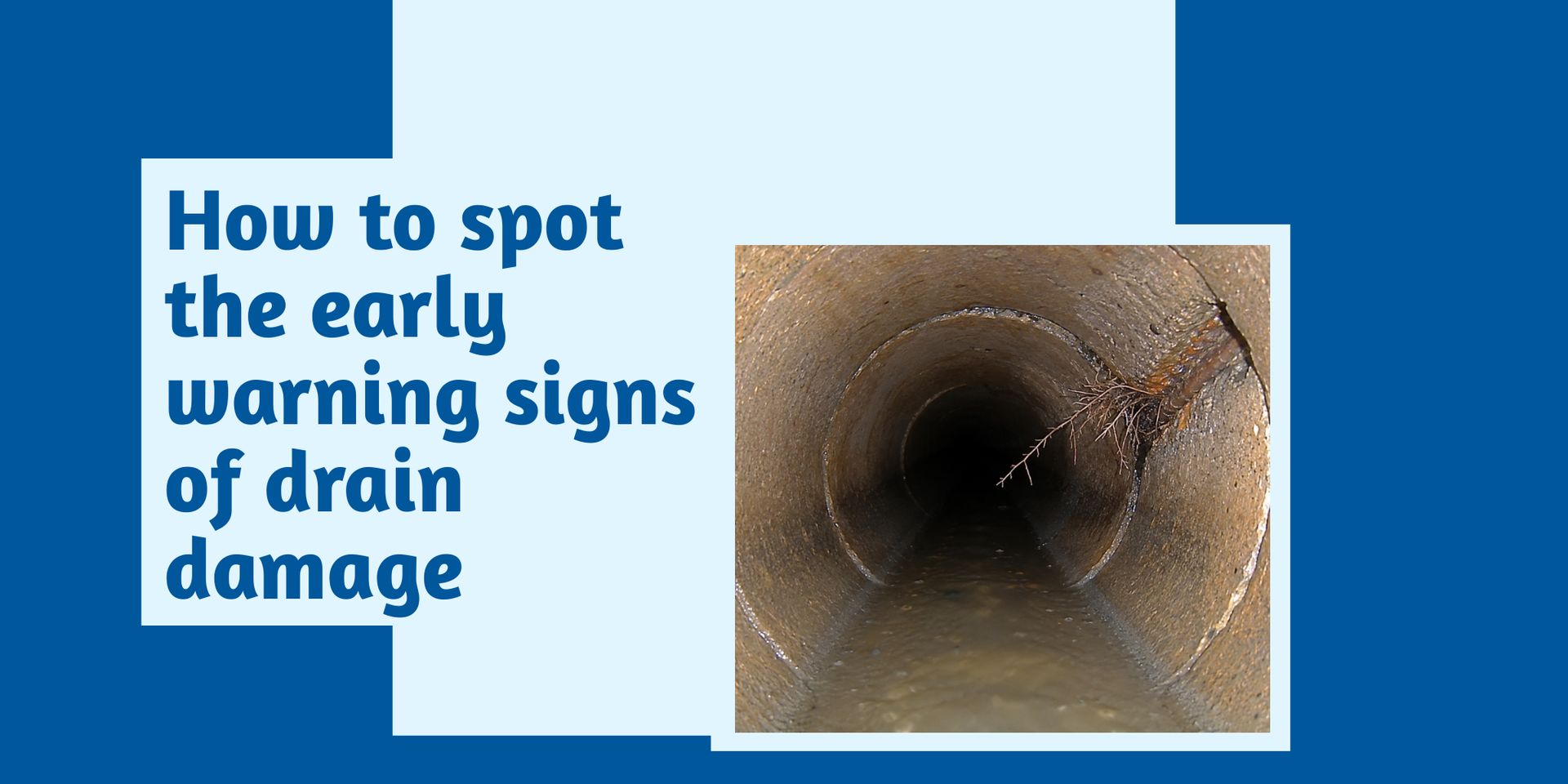
- Tree root intrusion (often clearable, though severe cases may need additional root cutting and repair work)
If you’re dealing with repeat blockages, the key advantage is that jetting doesn’t just “poke a hole” through the problem - it cleans the pipework so it’s less likely to come straight back.
Water jetting vs manual rodding: when to choose which
Both methods have their place.
Manual rodding can be useful for simple, localised blockages close to the access point (for example, a solid obstruction that’s easy to reach).
The limitation is that rodding typically doesn’t clean the pipe walls, so it’s not ideal for grease, scale or recurring issues.
Water jetting is usually the better option when:
- The blockage is caused by grease, silt or built-up residue
- The restriction is deeper in the line
- You’ve had repeat problems and need a longer-lasting result
- It’s a commercial system where downtime and hygiene risks matter
Is high pressure water jetting safe for pipes?
Yes - when it’s carried out by a qualified drainage engineer using the correct pressure and nozzle.
Modern PVC/uPVC systems handle jetting well, and many older clay systems can be jetted safely too.
The important part is assessing the condition first.
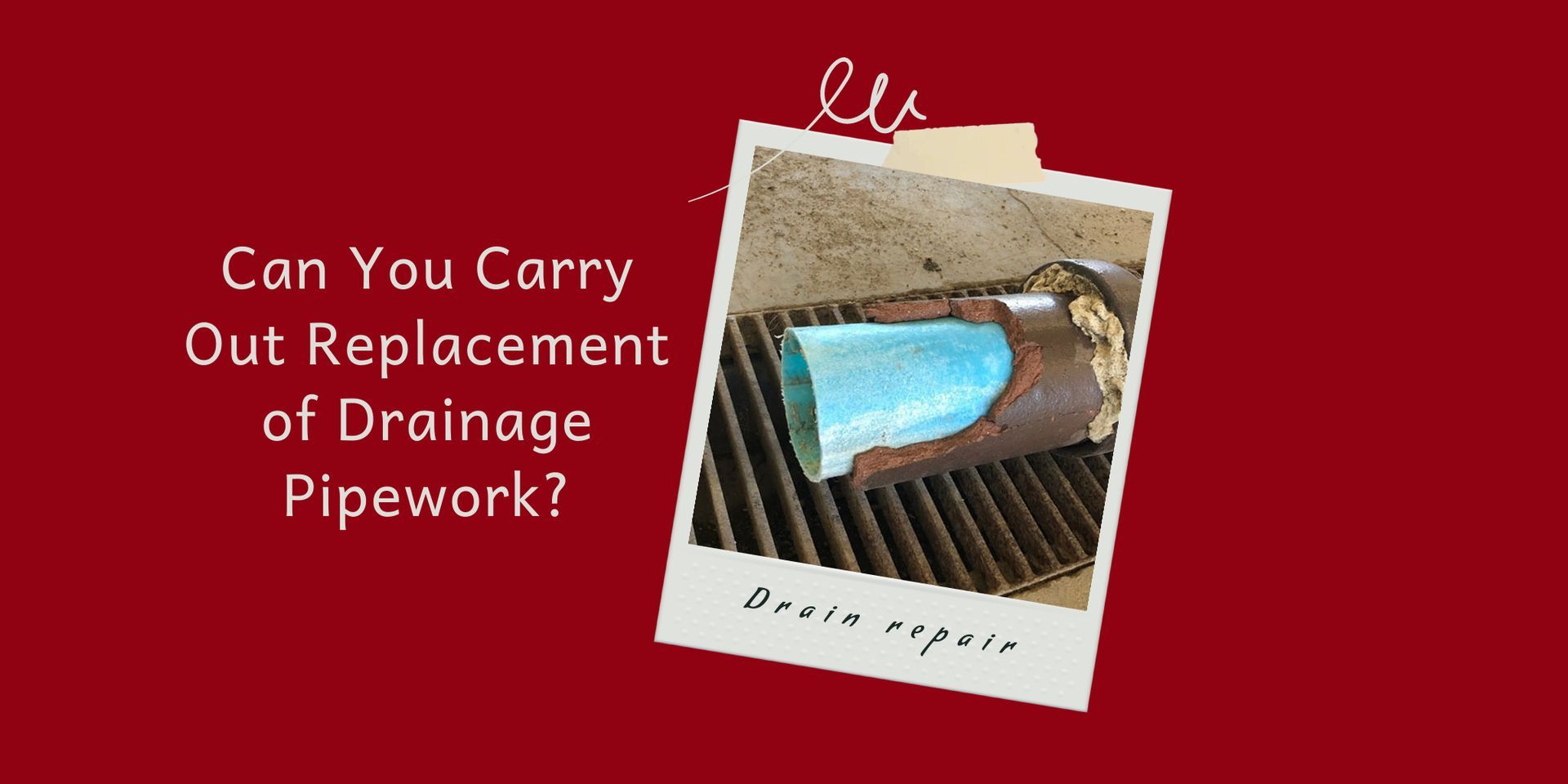
If pipework is cracked, displaced or already compromised, jetting without checking could make things worse.
That’s why we’ll recommend a CCTV inspection when there’s any doubt about the pipe condition, especially in older properties or where previous clearance attempts have failed.
Who benefits most from water jetting?
Commercial sites
Jetting is particularly useful for:
- Restaurants, takeaways and food production (fast grease build-up)
- Warehouses, offices and retail (silt in external gullies, car parks and long underground runs)
Many commercial clients use jetting as part of planned maintenance to reduce emergency callouts and disruption.
Domestic properties
For homeowners, jetting is a strong option when:
- Drains are slow, gurgling or backing up repeatedly
- There are signs of grease coating or scale build-up
- There are trees near drainage runs and root ingress is a possibility
How often should you arrange water jetting?
There’s no single rule, but these are sensible starting points:
- Food and hospitality sites: every 3–6 months (grease builds quickly)
- Sites with external drainage and gullies: annually or twice yearly depending on silt and seasonal debris
- Homes with a history of blockages: annually as preventative maintenance
If you’re noticing repeat slow drainage, smells, or regular backups, it’s usually a sign the pipework needs a proper clean rather than another quick fix.
Why use a professional drainage company?
High pressure jetting isn’t a DIY job. The equipment can be dangerous in the wrong hands, and using the wrong settings on fragile pipework can turn a blockage into a repair.
A professional engineer will:
- Choose the correct nozzle and pressure for the pipe material and condition
- Clear the blockage properly and clean the line
- Advise when a CCTV survey is needed (before or after)
At CDS, our engineers are fully equipped and available for emergency call outs across Essex, London and Kent, with no call out charge.
Frequently asked questions
What is high pressure water jetting used for?
Clearing blocked drains and cleaning the internal walls of pipework. It’s effective on grease, silt, scale and many root intrusions.
Is water jetting safe for older or clay pipes?
Often, yes - provided pressures are set correctly and the pipework is in reasonable condition. If there’s any concern about defects, a CCTV survey is recommended first.
How long does a jetting job take?
Many standard jobs take around 1–2 hours, depending on access, the length of the run and how severe the blockage is.
Can jetting clear tree roots?
In many cases, yes. More advanced root intrusion may need additional cutting or repair work, and a CCTV inspection is often the best way to confirm what’s going on.
Do I need a CCTV survey before jetting?
Not always. It’s most useful for older systems, repeat problems, suspected damage, or where previous clearance attempts haven’t worked.
Is high pressure water jetting available as an emergency service?
Yes - CDS offers emergency call-out high-pressure water jetting with no call-out charge across Essex, London and Kent.

Geoff Ward