Can High-Pressure Jetting Damage Drains? The Truth About Cleaning Older Pipework
Older or already damaged pipework and drains needs to be treated appropriately
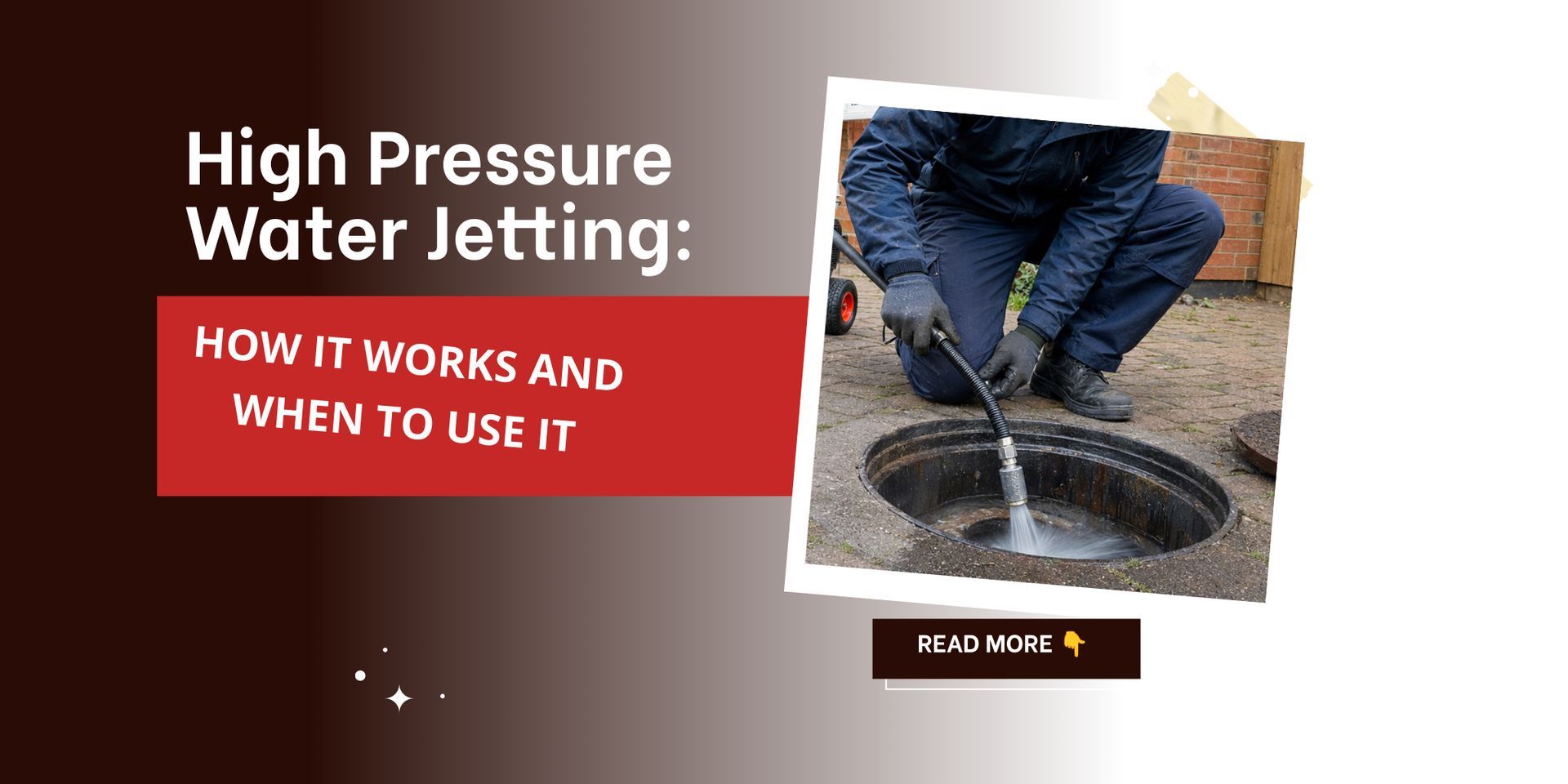
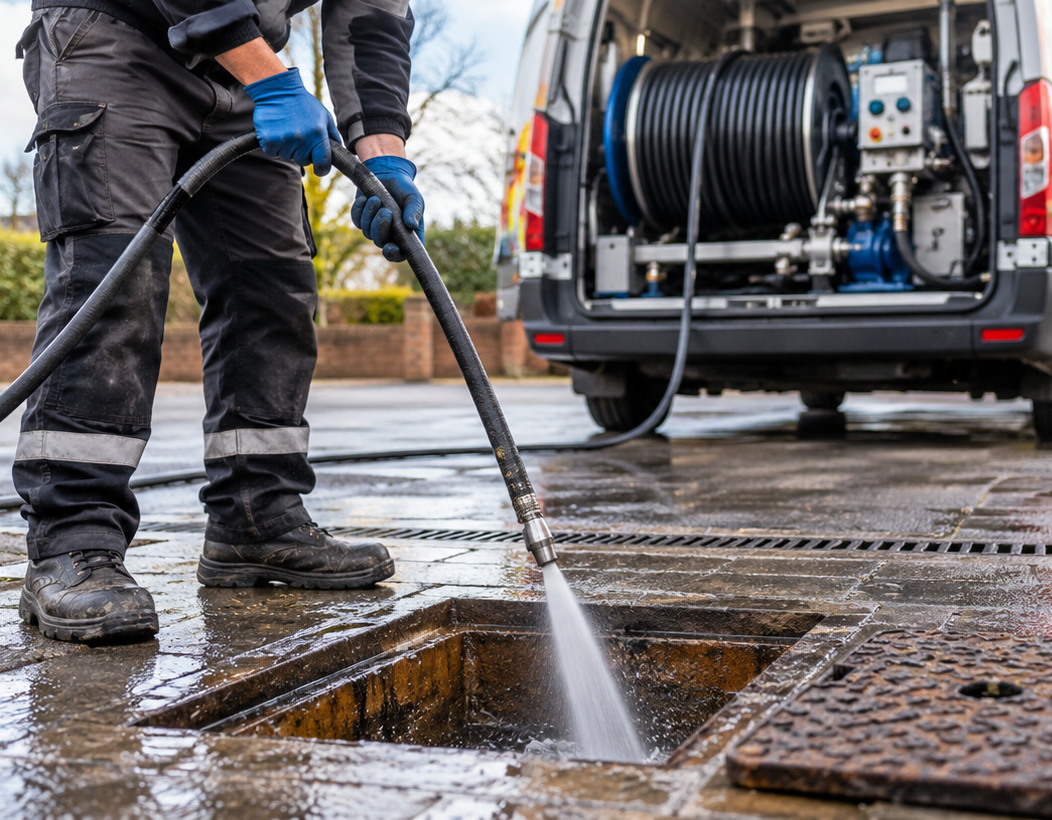
High-pressure water jetting is one of the most effective ways to clear blocked drains and remove stubborn deposits such as grease, silt, scale and other debris.
But if you have an older property, you may understandably wonder whether putting high-pressure water through ageing pipework could actually cause damage.
So, can high-pressure jetting damage drains?
In most cases, professionally carried out drain jetting should not damage pipework that is in sound structural condition.
However, older drains can sometimes have existing weaknesses, which is why experience and using the right equipment and techniques matter.
Why are older drains more of a concern?
Many older homes and commercial properties have drainage systems that have been underground for decades.
Depending on the age of the property, these may include clay, cast iron, concrete or pitch fibre pipework.
Over the years, drains can be affected by problems such as:
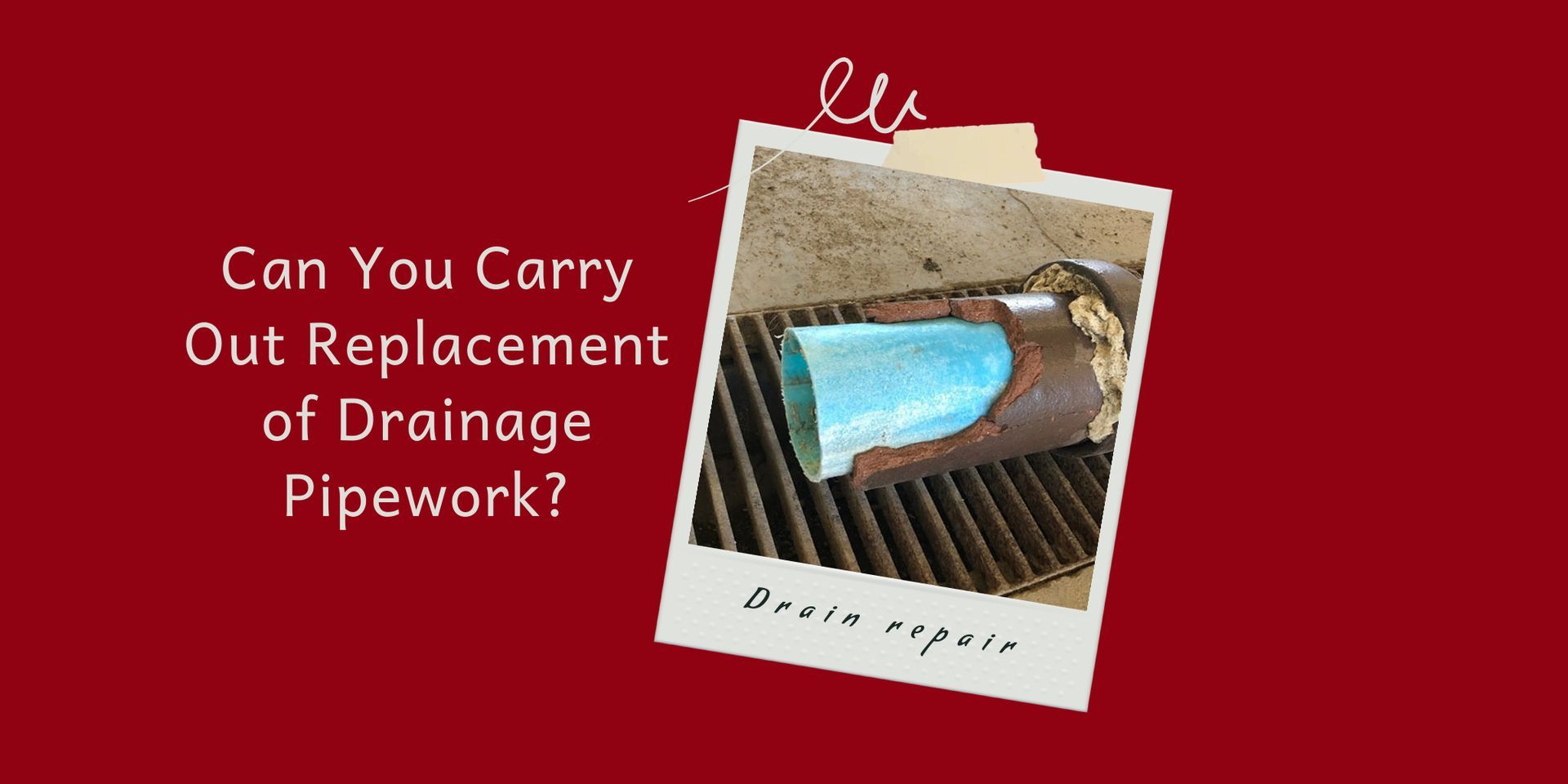
- Cracks and fractures
- Ground movement
- Displaced joints
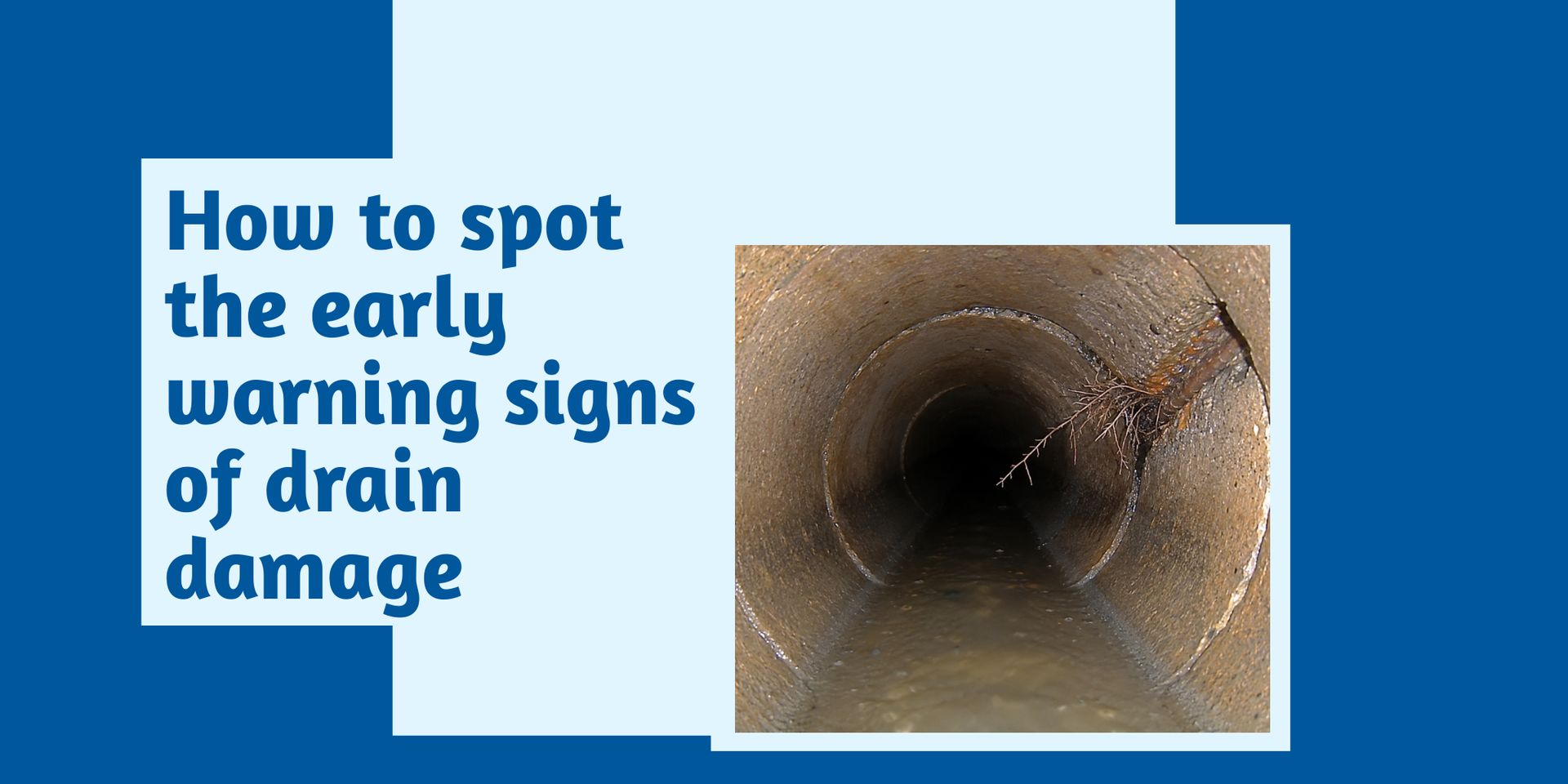
- Tree root ingress
- Corrosion
- Scale build-up
- Deformation
- Partial collapse
These problems may exist long before a blockage becomes noticeable.
In fact, a build-up of grease, silt and other debris can sometimes hide defects within a drainage system.
Does high-pressure jetting break drains?
This is where there can be some confusion.
If a drain develops a problem during cleaning, it is easy to assume that the water jetting caused it. However, the pipework may already have been damaged or significantly weakened.
Removing years of accumulated material can expose an existing crack, displaced joint or deteriorated section of pipe that was previously hidden.
That doesn't mean high-pressure jetting should be used indiscriminately.
A professional drainage engineer should consider the condition and type of drainage system and use suitable equipment, water pressure and jetting techniques for the job.
Simply turning up the pressure isn't the answer.
What about very old or damaged drains?
Extra care may be needed when dealing with older drainage systems, particularly where there is reason to suspect the pipework has deteriorated.
Clay pipes
Clay drainage pipes can remain serviceable for many decades, but older systems can suffer from cracks, displaced joints and tree root ingress.
Cast iron pipes
Cast iron is extremely strong, but corrosion and internal scale can develop as the pipework ages. In severe cases, corrosion can weaken sections of the pipe.
Pitch fibre pipes
Pitch fibre drainage was widely used in UK properties during the mid-20th century. As it ages, it can become distorted, blistered or lose its original shape, so its condition should be considered carefully before intensive cleaning.
Previously damaged drains
If a drainage system has a history of recurring blockages, root ingress, repairs or structural problems, further investigation may be worthwhile before extensive cleaning takes place.
When might a CCTV drain survey be recommended?
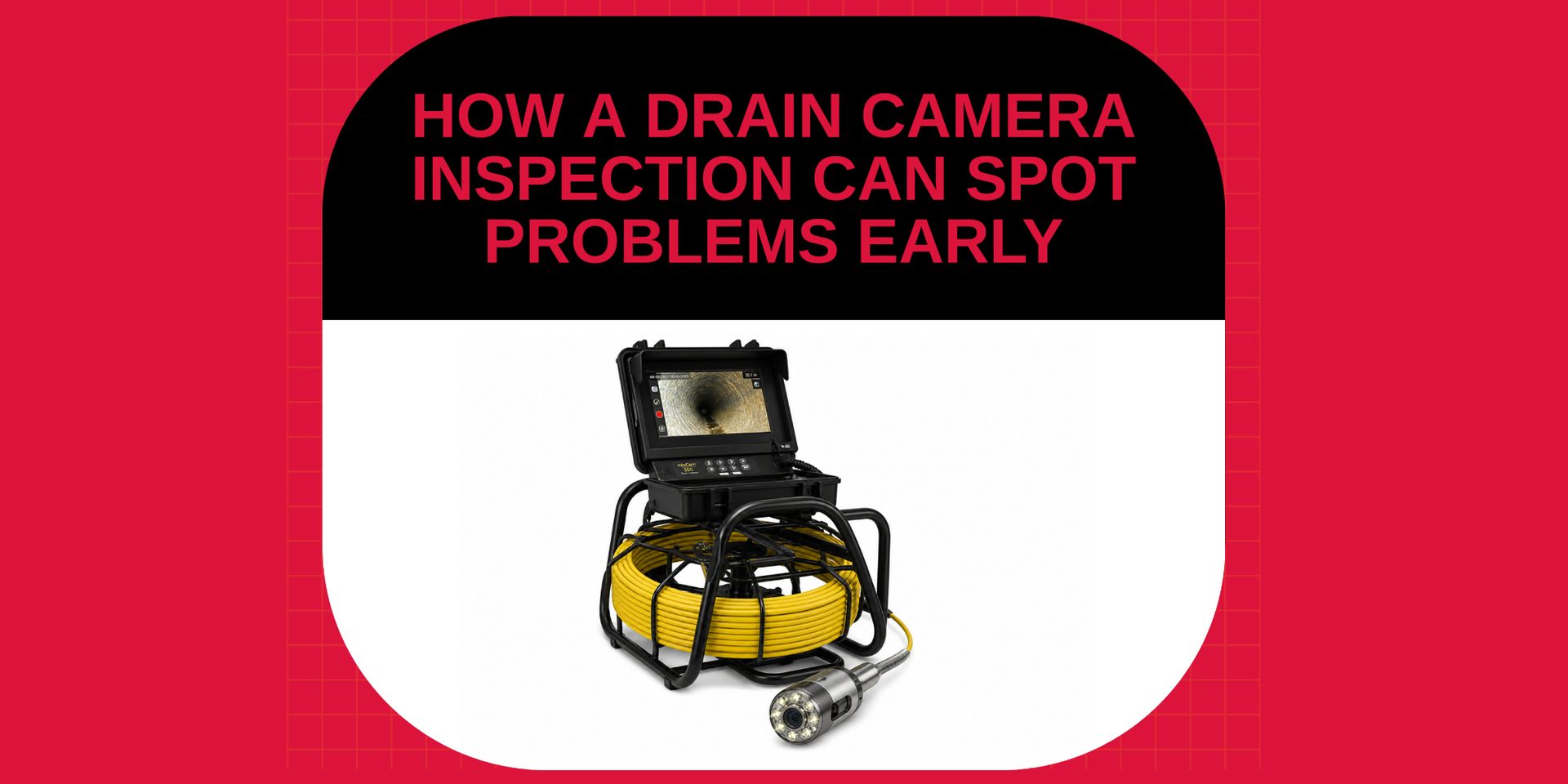
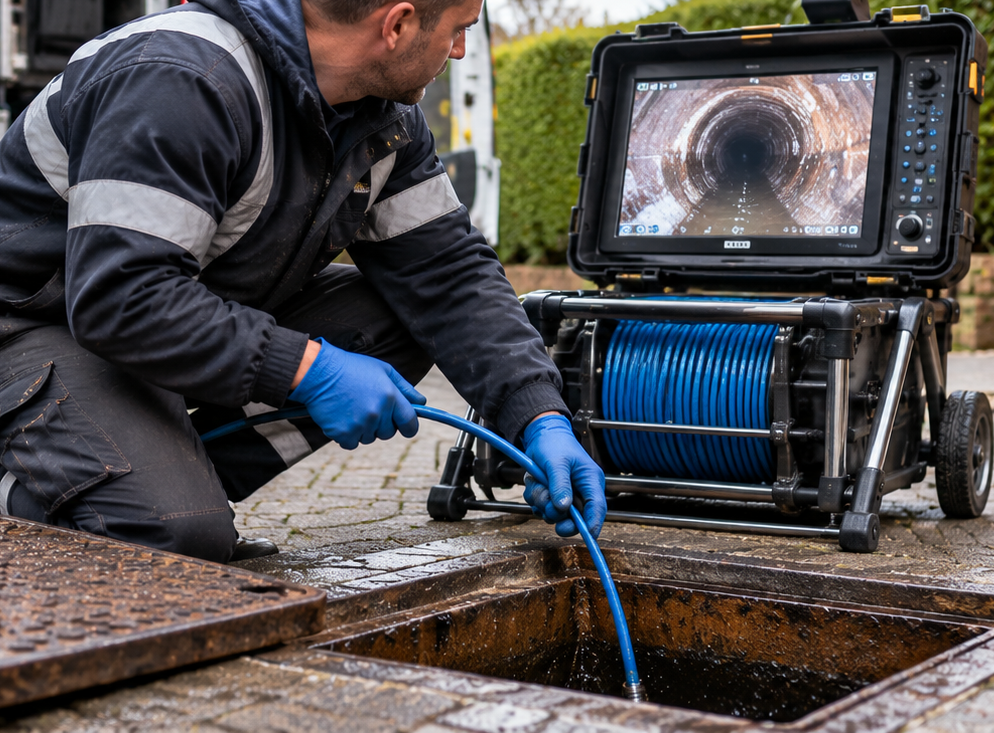
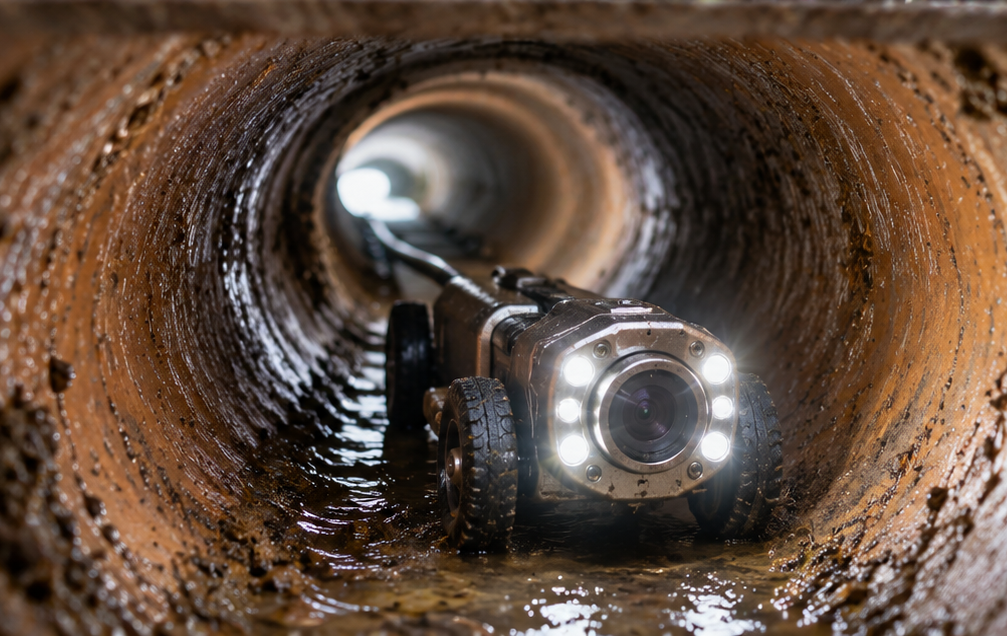
A CCTV drain survey allows a drainage engineer to inspect the inside of the pipework using specialist camera equipment.
It can identify issues such as:
- Cracks and fractures
- Root ingress
- Displaced joints
- Deformation
- Corrosion and deterioration
- Partial or complete collapses
- The location and nature of recurring blockages
A CCTV survey isn't necessarily required every time a drain needs jetting.
However, it can be particularly useful where the drainage system is old, its condition is unknown, there are recurring problems, or there is reason to suspect structural damage.
It can also help determine whether jetting is appropriate and whether repairs are needed.
Why use high-pressure water jetting?
When used correctly, high-pressure water jetting doesn't simply punch a small hole through a blockage.
The water can help clean deposits from the internal walls of the pipe, removing material that could otherwise contribute to another blockage.
It can be particularly effective for tackling:
- Grease and fat deposits
- Silt and sediment
- Scale
- General debris
- Some root intrusion
- Recurring build-ups
For commercial properties, planned drain cleaning can also form part of a preventative maintenance programme, helping reduce the risk of disruptive drainage problems.
So, can high-pressure jetting damage your drains?
The simple answer is that high-pressure jetting carried out correctly should not damage structurally sound drains.
The important words there are carried out correctly.
Older or already damaged pipework needs to be treated appropriately. If a pipe is badly corroded, fractured, deformed or close to collapse, no drainage cleaning method can restore its structural integrity.
In some situations, cleaning simply reveals a problem that was already there.
That's why professional drainage work isn't about using the highest possible pressure. I
t's about understanding the drainage system, choosing the appropriate equipment and cleaning method, and knowing when further investigation is needed.
Concerned About Your Drains?
At Commercial Drainage Services (CDS Ltd), we provide professional drainage services for residential and commercial properties across Essex and the surrounding areas.
Whether you're dealing with a blocked drain, recurring drainage problems or you're concerned about the condition of older pipework, our experienced team can investigate the problem and recommend the appropriate solution.
Our services include high-pressure water jetting, drain unblocking, CCTV drain surveys, drainage maintenance and repairs.
If you're having problems with your drains, get in touch with CDS Ltd and we'll be happy to help.

Geoff Ward