How Often Should You Schedule Drain Maintenance?
Find out the right drain maintenance frequency for your home or business
Professional drain maintenance is one of those things most property owners only think about after something goes wrong.
But scheduling regular drain servicing on a planned basis is far more effective than waiting for a blockage or backup to force your hand.
So how often should drains be maintained? For most homes, once every 12 to 18 months is a sensible baseline.
Commercial properties typically need servicing every 3 to 6 months, depending on usage. The right drain maintenance frequency for your property depends on several factors, which this guide covers in full.
Why regular drain maintenance matters for your property
Preventative drain maintenance saves money. It sounds straightforward, but most people underestimate just how expensive ignoring a drainage system can get.
Emergency callouts, pipe replacements, and structural repairs caused by untreated blockages or root ingress can run into thousands of pounds.
A routine inspection and clean costs a fraction of that and keeps your system running without interruption.
Regular servicing also catches small problems before they grow. A minor grease buildup or a hairline crack spotted during a routine visit is easy and inexpensive to address.
Left unattended for a year or two, the same issue can become a full pipe collapse or a sewage backup affecting multiple parts of your property.
Drainage professionals can identify these early warning signs in a way that most property owners simply cannot without specialist equipment.
There are also health and property value considerations.
Blocked or failing drainage systems create damp conditions, foul odours, and in serious cases, sewage contamination that poses a genuine health risk to occupants.
Properties with poorly maintained drainage systems are also harder to sell and may attract reduced valuations.
Keeping your system in good condition protects both the people inside and the long-term value of the building itself.
Recommended maintenance frequency for domestic properties
Most residential properties benefit from professional drain maintenance once every 12 to 18 months.
This interval gives enough time for gradual buildup to be addressed before it becomes a problem, while remaining manageable in terms of cost and scheduling.
For a standard home with two or three occupants and modern drainage infrastructure, this schedule tends to work well.
Homes with larger families, multiple bathrooms, or older pipework may need inspections more frequently, typically every 6 to 12 months.
Higher usage volumes mean more waste passing through the system, which increases the rate of buildup in bends, junctions, and narrower sections of pipe.
Older systems, particularly those installed before the 1980s, are more prone to scaling, joint deterioration, and root infiltration.
You can explore our domestic drainage solutions to understand the full range of residential services available.
Several factors determine the right interval for your home, including the age of the drainage system, how close trees are to your pipework, your household's water usage, and your previous drainage history.
A property that has experienced repeated blockages in the past is likely to need closer monitoring than one with a clean record.
Signs your home needs more frequent maintenance
Some homes need attention more often than their age or size would suggest.
Recurring slow drains are one of the clearest indicators.
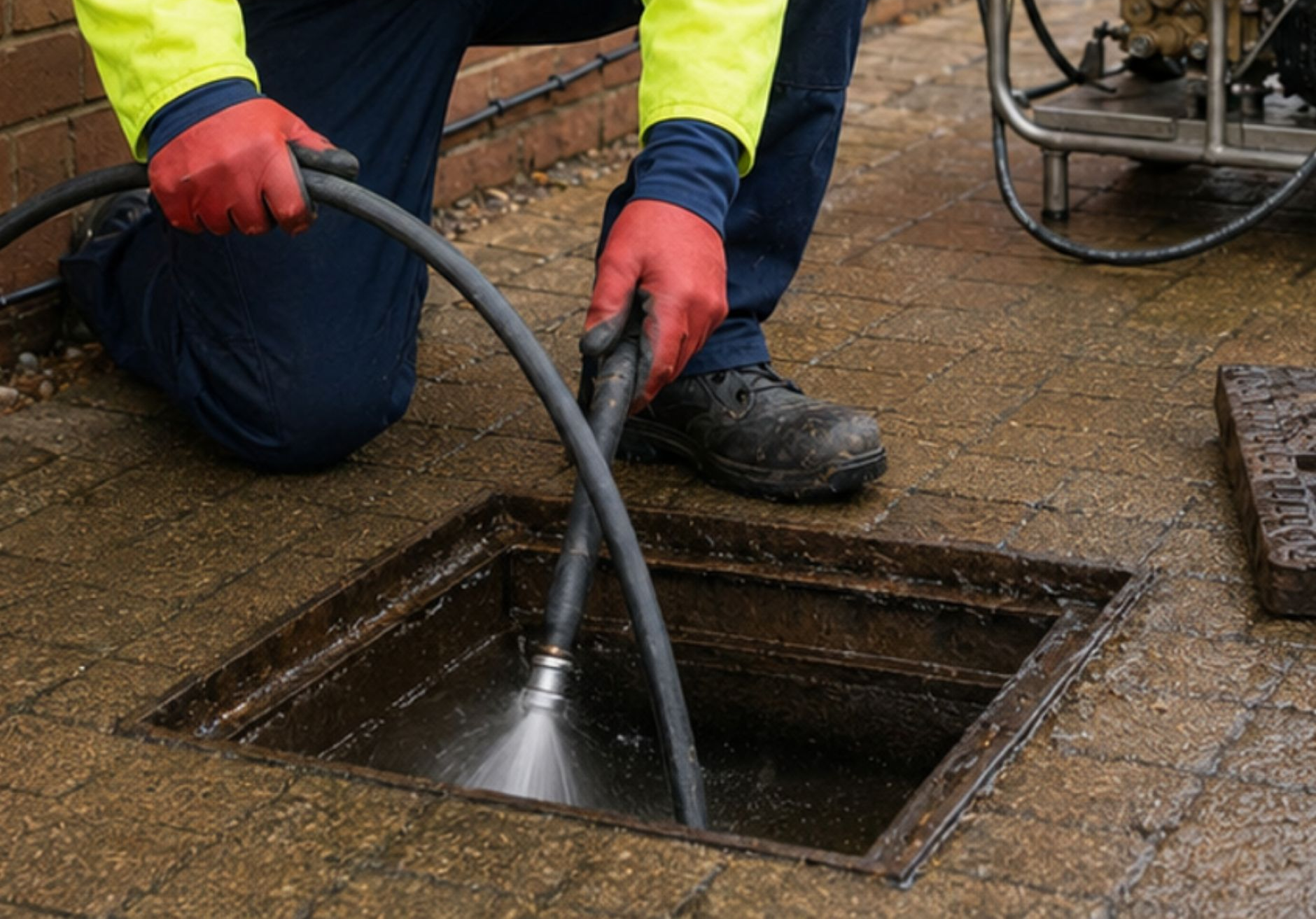
If water takes noticeably longer to clear from sinks or showers between visits, partial blockages are almost certainly developing somewhere in the system.
Gurgling sounds from drains or toilets point to the same issue, often caused by air being displaced by a growing obstruction.
Unpleasant smells are another warning sign that should not be ignored. Persistent odours from drains suggest organic buildup, ventilation problems, or in some cases a dry or damaged trap.
If you are struggling with persistent odours, it is worth reading about how to eliminate drain smells as a first step, but a professional inspection may also be needed to get to the root cause.
Previous blockage history is perhaps the strongest indicator. If your drains have blocked once, the same section of pipework is likely to block again unless the underlying cause is resolved.
Properties with a history of recurring problems should consider reducing their maintenance interval and moving to a more active schedule.
Commercial property maintenance schedules
Commercial properties need more frequent drain maintenance than domestic ones, and this is not simply a matter of higher usage.
Many businesses also have regulatory and insurance obligations that require demonstrable maintenance records.
Failing to keep drainage systems in good condition can create compliance issues, particularly in industries where hygiene standards are closely monitored.
The right frequency depends heavily on the type of business and how the drainage system is used.
Restaurants, cafes, and food service businesses should schedule maintenance every 3 to 6 months due to the volume of grease, food particles, and detergents entering the system.
Grease traps in particular require regular attention to prevent surging blockages that can shut down a kitchen at the worst possible time.
For businesses in the hospitality sector, you can find detailed guidance on commercial drainage for cafes, bars, and restaurants to understand what a proper maintenance programme should include.
Offices, retail units, and light commercial properties have lower usage demands and generally manage well with servicing every 6 to 12 months.
However, high-traffic facilities including schools, hospitals, leisure centres, and industrial sites should consider quarterly inspections given the volume of use and the consequences of a system failure. For a hospital, a sewage backup is not just an inconvenience; it is a patient safety issue.
Industry-specific maintenance considerations
Healthcare facilities operate to strict hygiene standards and cannot afford drainage failures.
Regular inspections help prevent contamination risks from sewage backups or drainage cross-connections, and they also provide the documented maintenance history that healthcare environments are often required to demonstrate.
Quarterly or even monthly checks may be appropriate depending on the size of the facility.
Manufacturing and industrial sites present different challenges.
The nature of wastewater varies significantly between industries, and drainage systems at these sites may need to handle chemical residues, heavy solids, or unusual volumes of liquid waste.
Maintenance schedules at industrial properties should be designed around the specific characteristics of the wastewater and reviewed regularly as production processes change.
Retail and hospitality venues face an operational constraint that healthcare facilities and industrial sites do not always share: they need maintenance to happen without disrupting customers or trading hours.
Scheduling work during early mornings, evenings, or quiet periods is important for these businesses, and working with a drainage company that can accommodate flexible timing makes a real difference.
What does professional drain maintenance include?
A professional drain maintenance visit is not simply a case of someone clearing out a blockage and leaving.
A thorough inspection begins with a visual assessment of accessible drainage points, gullies, inspection chambers, and above-ground pipework to identify obvious issues.
This is followed by diagnostic testing to check flow rates and spot any signs of partial obstruction or structural concern.
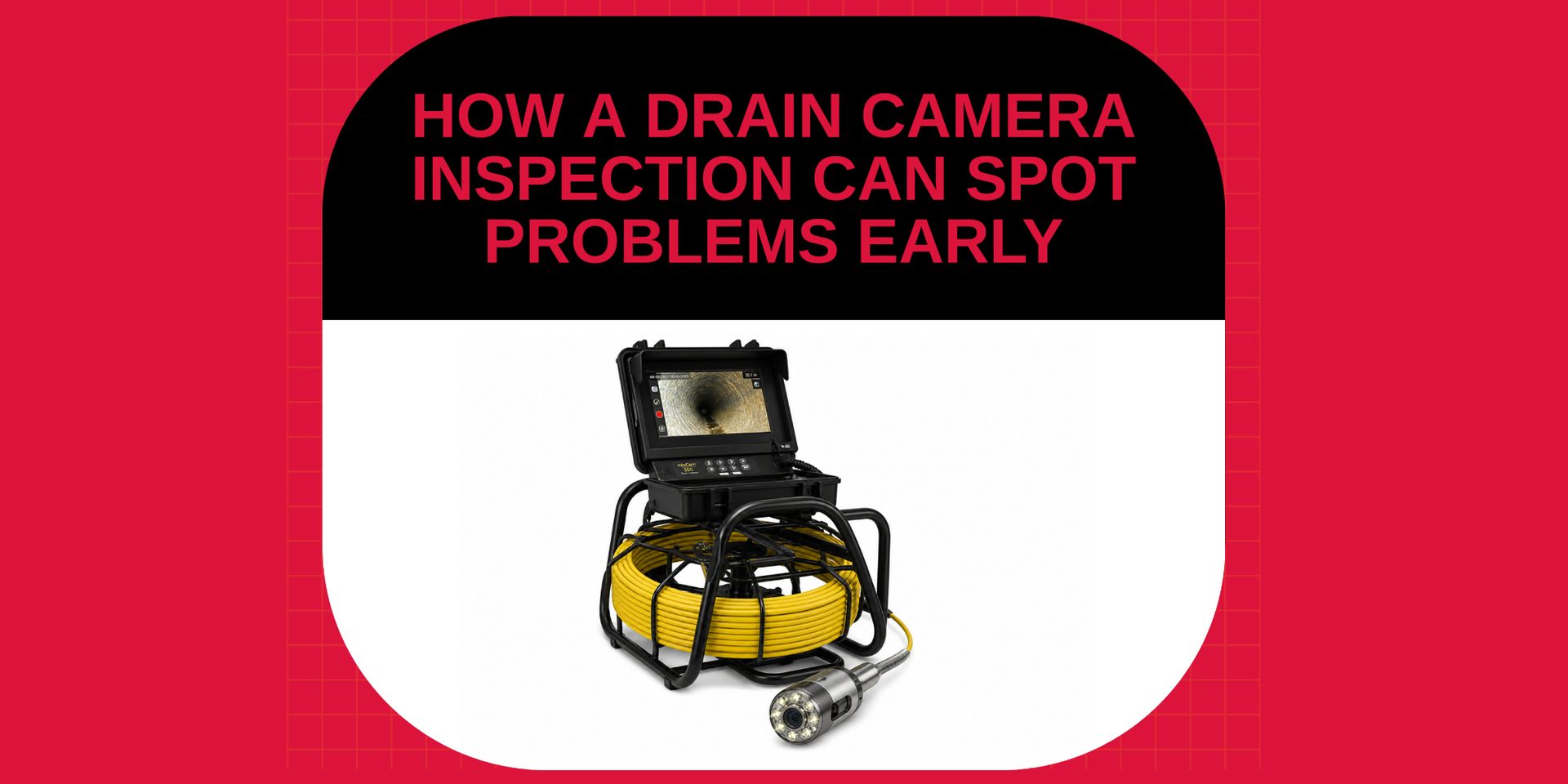
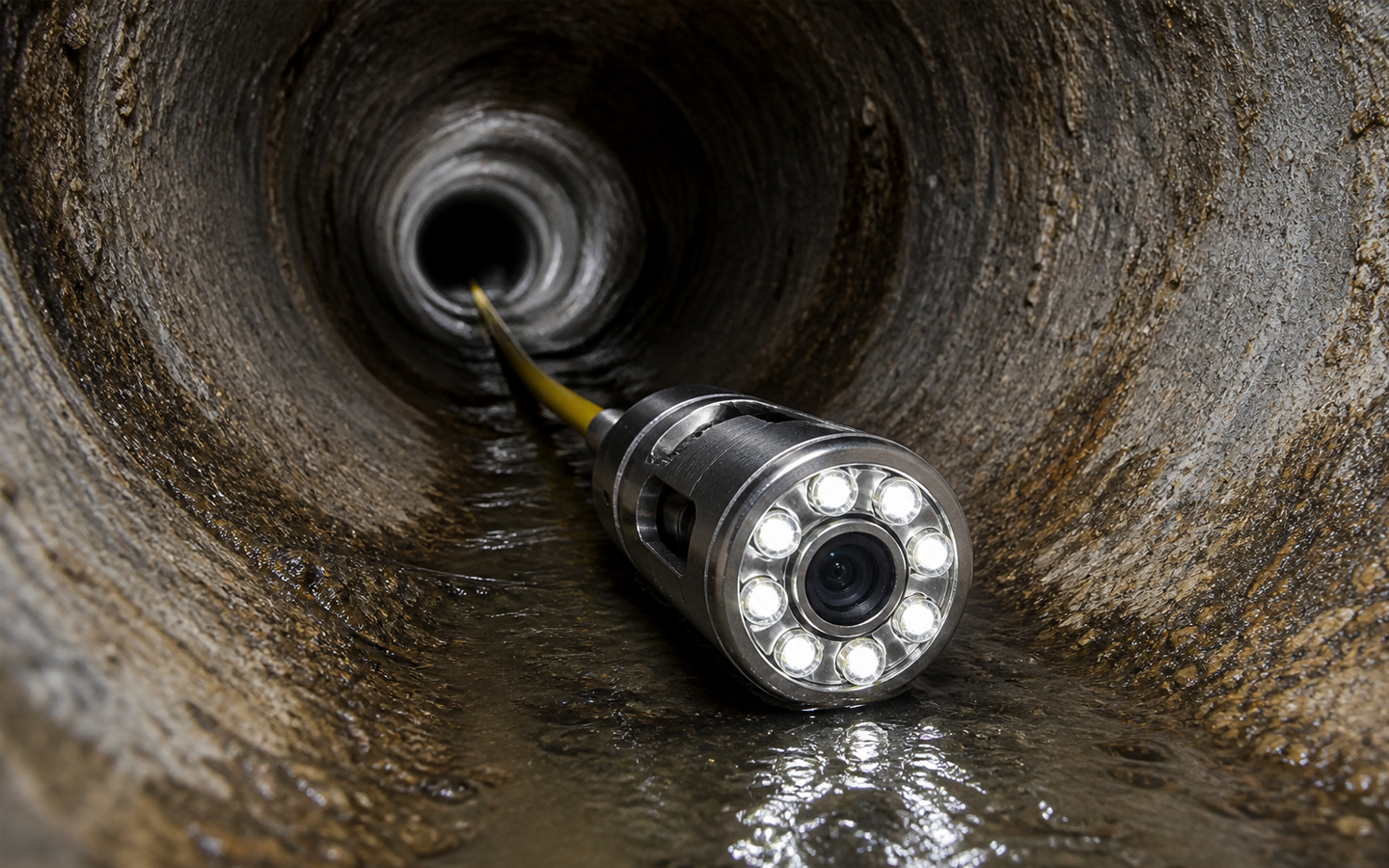
For a more detailed picture of what is happening inside the pipes, CCTV drainage surveys are one of the most valuable tools available.
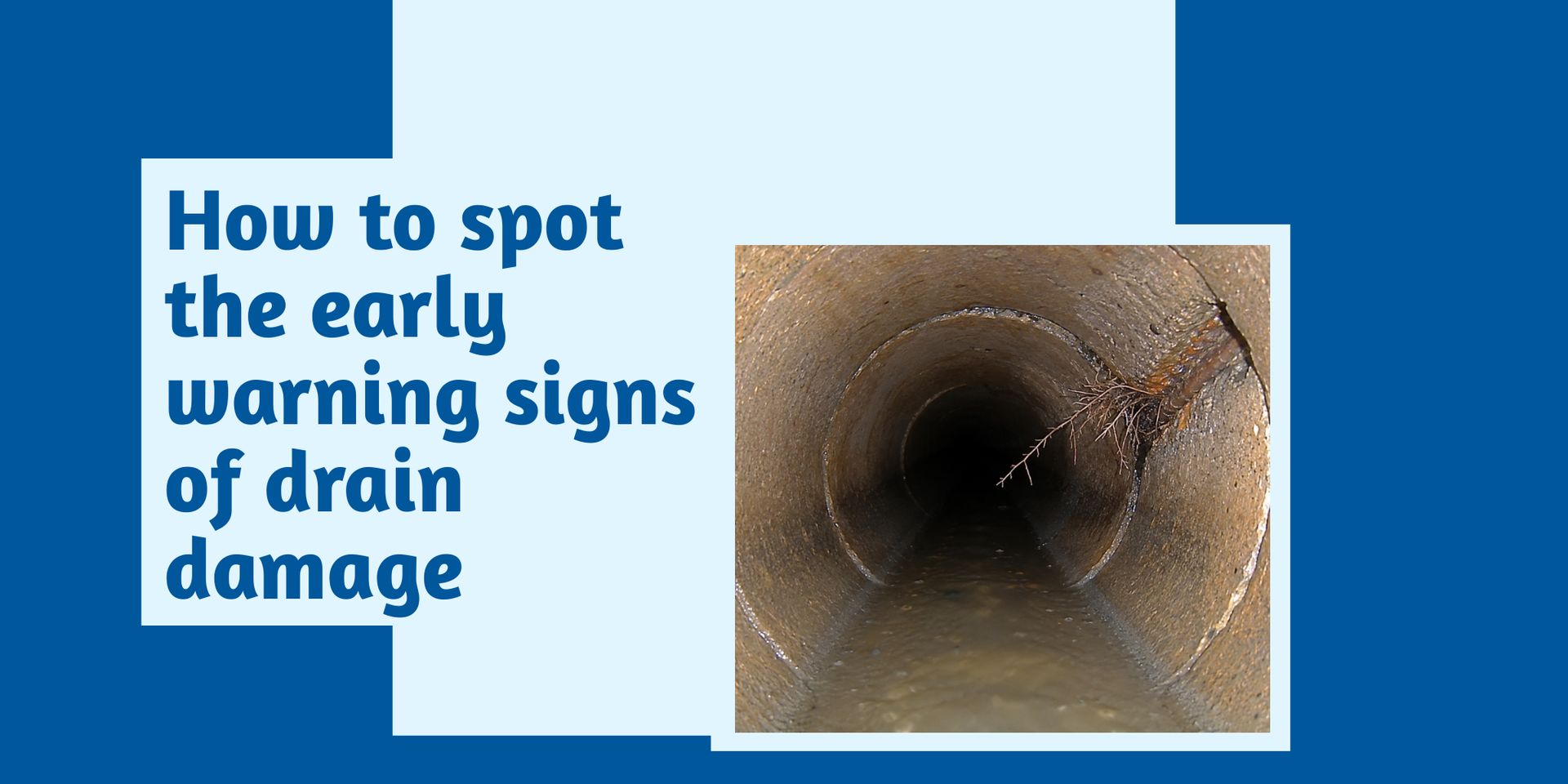
A camera is passed through the drainage system to provide a live view of conditions inside the pipe, identifying cracks, root ingress, joint displacement, scale buildup, or other issues that cannot be detected any other way.
This kind of inspection is particularly useful for older properties or those with a history of problems.
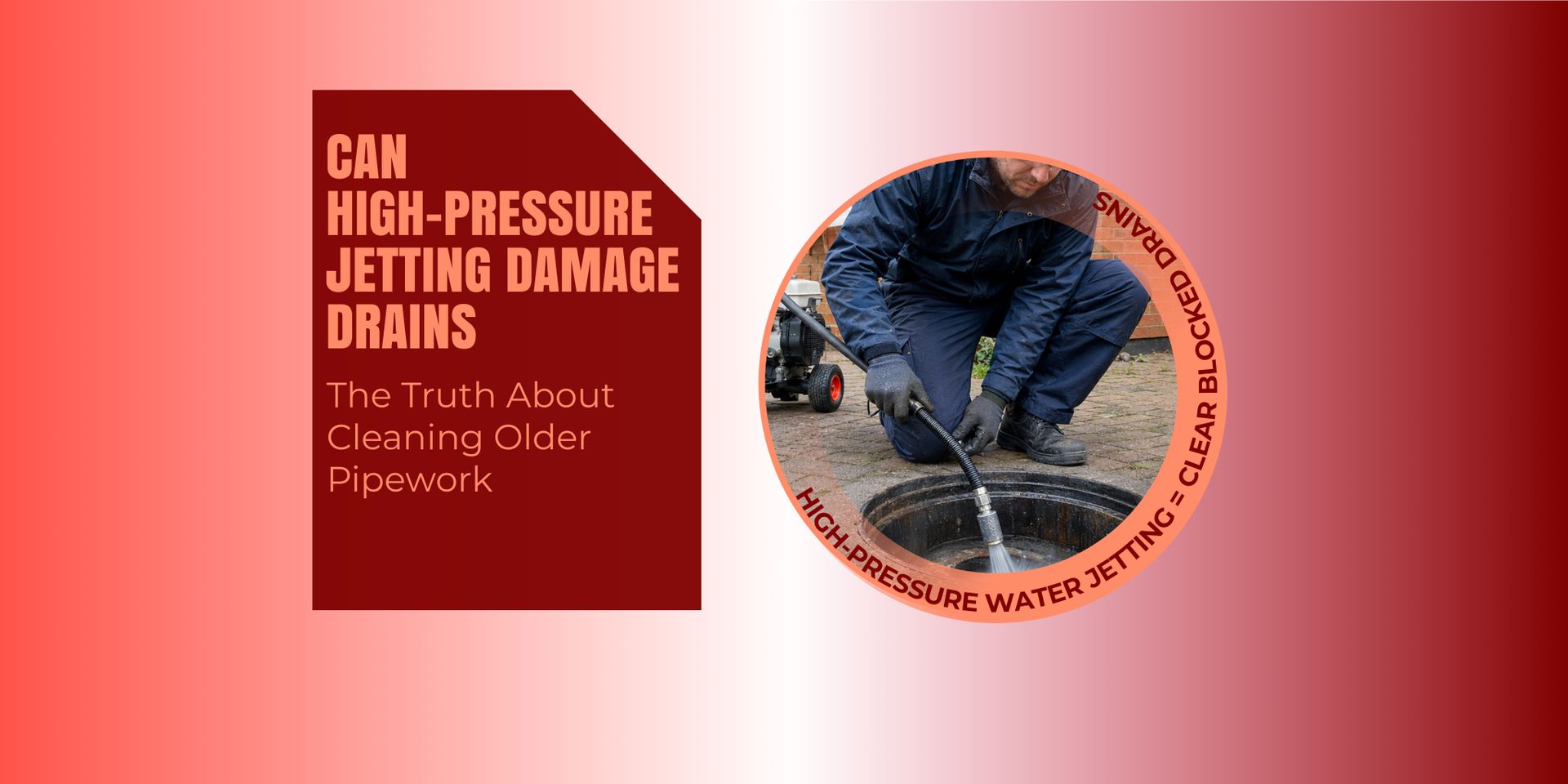
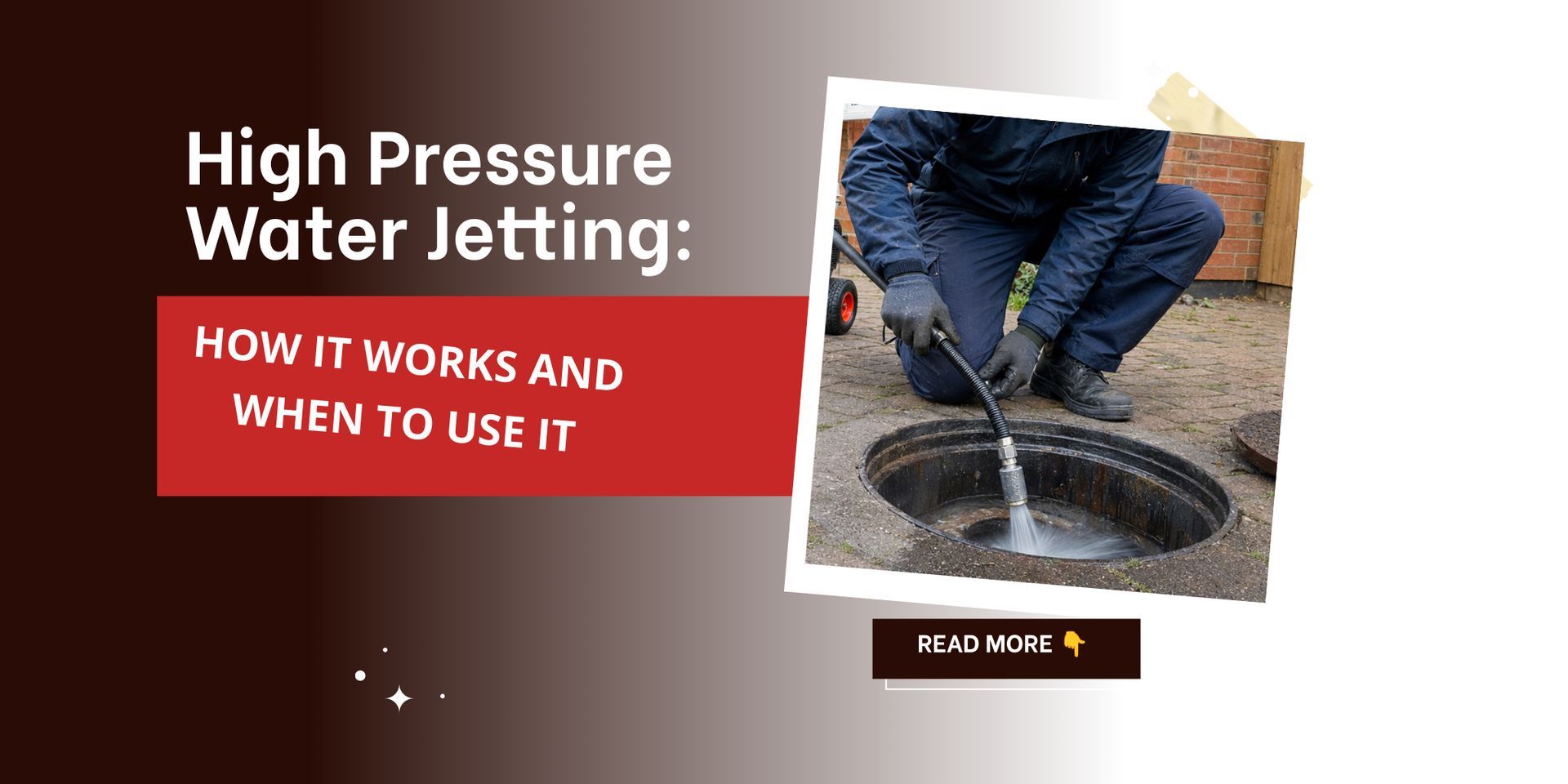
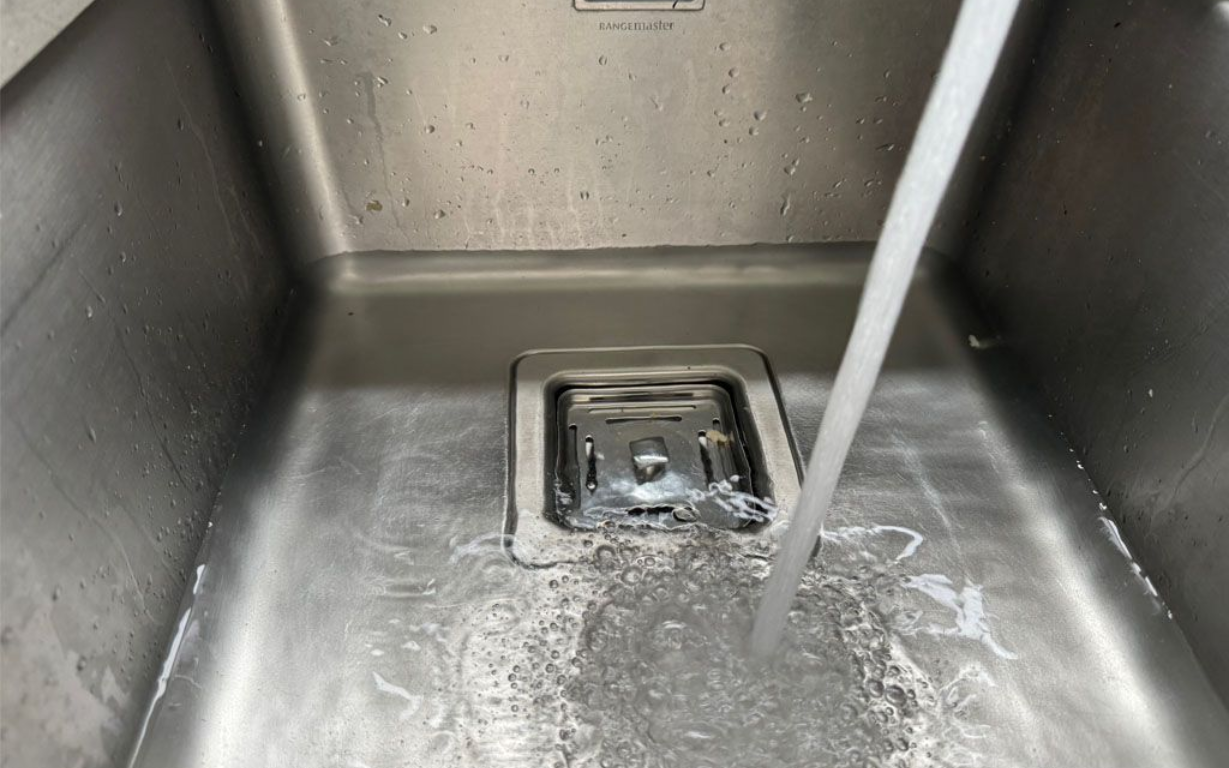
Cleaning is typically carried out using high-pressure jetting services, which use a powerful stream of water to break up and flush away grease, scale, silt, and debris from the pipe walls.
This method is far more effective than manual rodding for thorough cleaning and leaves pipes in a significantly better condition.
Following the maintenance visit, a professional drainage company will provide a report on the condition of the system and any recommendations for remedial work or changes to the maintenance schedule.
Factors that influence your maintenance schedule
No two properties are identical, and the right drain servicing schedule depends on a combination of factors specific to your building and how it is used.
Property age and drainage condition are the most important considerations.
Systems installed several decades ago may use materials such as clay or cast iron that are more prone to cracking, scaling, and joint failure than modern PVC pipework.
Older systems often require more frequent attention to catch deterioration early.
Tree proximity is a factor that many property owners overlook until it causes a problem.
Tree roots naturally seek out water sources, and even a hairline crack in a drainage pipe is enough for roots to enter and begin to expand.
Properties with mature trees, particularly willows, poplars, or sycamores, close to drainage runs should include root inspection as part of their regular maintenance schedule.
Usage patterns matter significantly. A property with six occupants generates far more waste than one with two.
The types of waste entering the system also matter: cooking grease, wet wipes, and heavy use of chemical cleaning products all contribute to faster buildup than ordinary household waste.
Local environmental conditions play a role too. Soil type affects how drainage systems settle and shift over time.
High groundwater levels can place pressure on pipes and joints. In areas with heavy seasonal rainfall, systems are tested more frequently throughout the year, which can accelerate wear.
Previous repair history is a reliable guide to future performance.
A system that has had recurring issues in one area, whether due to tree roots, a collapsed section, or a poorly installed joint, is likely to need closer monitoring going forward.
Benefits of planned preventative maintenance programmes
One of the most practical decisions any property owner or facilities manager can make is moving from reactive to planned maintenance.
Rather than waiting for something to go wrong, a planned programme builds regular inspections and servicing into your schedule in advance.
The cost savings are real and measurable. Emergency drainage callouts typically carry premium pricing, and the knock-on damage from a serious blockage, flooding, or sewage backup can add significant costs on top of the repair itself.
Preventative blockage maintenance addresses issues at a stage when they are much cheaper to resolve.
Over a few years, the difference in expenditure between a planned programme and a reactive approach can be substantial.
Predictable budgeting is another advantage that businesses and landlords particularly value. Knowing in advance what your maintenance costs will be over the year makes financial planning easier.
There are no unexpected bills arriving at inconvenient times, and no scrambling to find funds for an emergency repair mid-quarter.
A planned programme also extends the lifespan of your drainage system.
Regular cleaning and timely repairs prevent the kind of progressive deterioration that eventually results in full pipe replacement, which is both expensive and disruptive.
Addressing issues during a scheduled appointment is also far less disruptive to daily operations or home life than an emergency situation.
For commercial properties especially, having documented maintenance records supports compliance with insurance requirements and, in some regulated sectors, with legal or contractual obligations.
It also demonstrates a duty of care that can be important when dealing with insurers or regulators following any drainage-related incident.
Creating your personalised maintenance plan
The most effective maintenance schedule is one built around your specific property rather than a generic template.
A professional drainage assessment is the best starting point.
A qualified drainage engineer can review the age and condition of your system, map out the layout, assess current usage levels, and use inspection data to recommend a maintenance interval that genuinely fits your needs.
Drainage experts take several things into account when recommending intervals.
These include the system's capacity relative to current demand, its structural condition based on inspection findings, any historical weak points, and the type of waste the system regularly handles.
For commercial clients, they also consider regulatory requirements and how maintenance timing fits around operational demands.
Schedules can and should be adjusted over time. If your business grows and usage increases, or if a routine inspection reveals a developing issue, the appropriate response is to shorten the interval rather than waiting for the next planned visit.
Good drainage companies build flexibility into their programmes for exactly this reason.
Documentation is a key part of any maintenance plan. Inspection reports, jetting records, and photographs from CCTV surveys build up a detailed picture of your drainage system's health over time.
This history makes it easier to spot trends, justify maintenance investments to stakeholders, and demonstrate compliance when required.
To arrange a professional assessment and start building a plan that works for your property, get in touch via the contact page.
Warning signs that you need immediate maintenance
Some signs should not wait for the next scheduled visit. If multiple fixtures across your property are draining slowly at the same time, a widespread blockage is likely in a shared section of the drainage system and needs urgent attention.
A single slow drain might be a localised issue, but when several are affected simultaneously, the problem is typically further downstream.
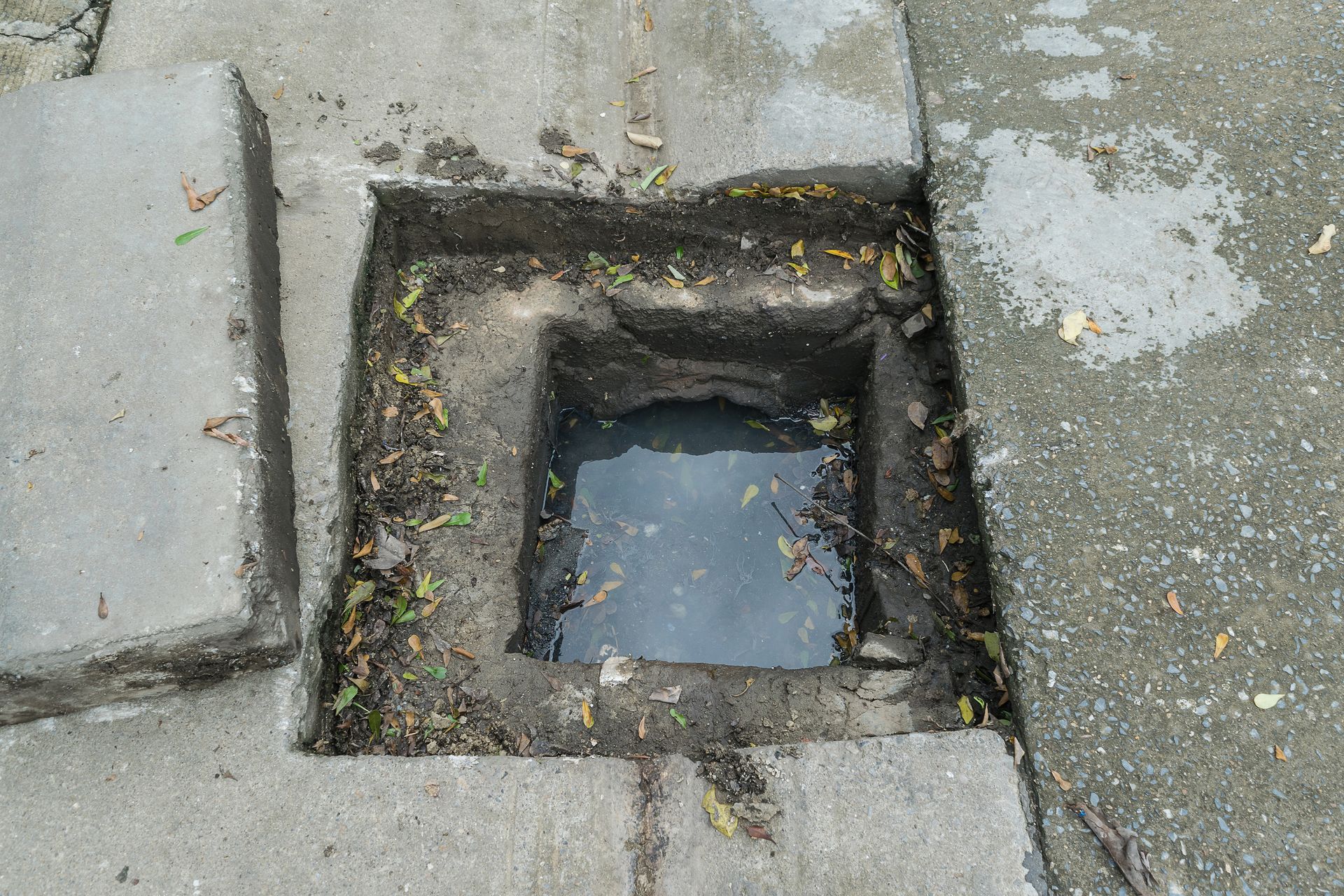
Standing water around external drainage points or persistent dampness near drainage runs suggests a blockage or structural failure that is causing water to back up or escape the pipe.
This can quickly cause damage to paths, foundations, or landscaping if left unaddressed.
Unusual sounds from your drains, including gurgling or bubbling noises when water runs elsewhere in the property, indicate that air is being displaced by a blockage somewhere in the system.
Sewage odours, whether inside the building or immediately outside near drainage access points, point to a more serious failure that requires immediate professional attention.
Visible damage to inspection covers, gullies, or drainage structures is also a clear prompt to act. Damaged covers can be safety hazards, and structural damage to drainage infrastructure can worsen rapidly if ignored.
For a broader look at the problems that typically lead to urgent callouts, the common drain issues guide is a useful resource that covers what to watch for and when to call in a professional.
Seasonal considerations for drain maintenance
Timing your maintenance around the calendar can make it more effective and more convenient. Each season presents different risks to drainage systems, and factoring these into your scheduling helps you stay ahead of seasonal problems.
Autumn is one of the most practical times to schedule maintenance.
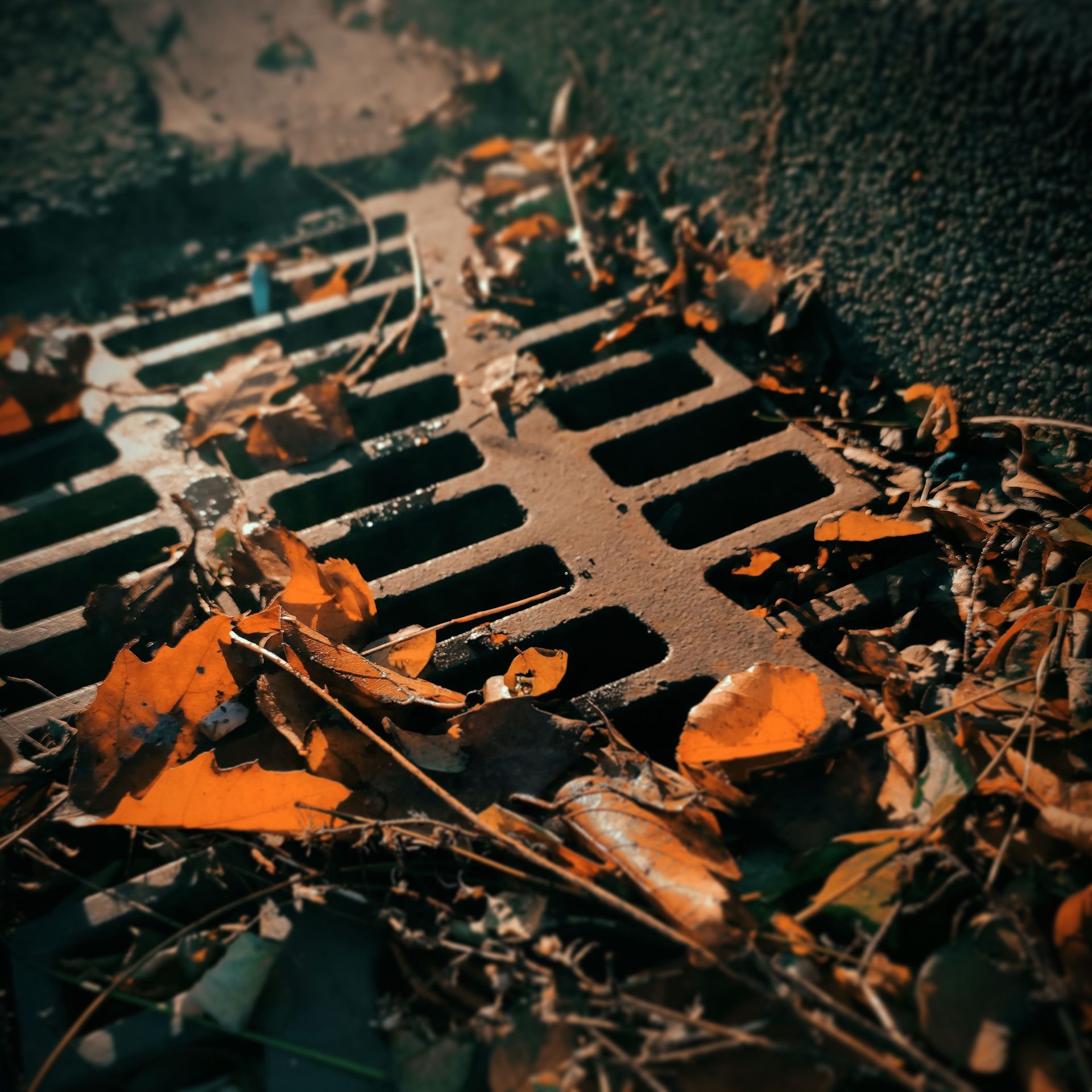
Leaf fall significantly increases the risk of debris accumulating in gullies and drainage channels, and getting systems cleared and inspected before winter arrives gives you confidence heading into the most demanding months.
It is also a good time to identify any structural weaknesses before they are tested by heavy rain.
Winter brings increased rainfall volumes and the additional risk of freezing in exposed sections of pipework.
Cold weather can cause existing cracks or weaknesses to worsen rapidly.
If you have not had a pre-winter inspection, early winter is still worth scheduling to make sure systems are ready for the higher volumes they will face in wetter months.
Spring is a sensible time to assess any damage that winter conditions may have caused. Thaw and freeze cycles can shift soil and affect pipe joints, and storm events can push debris into drainage systems. A spring inspection helps you head into the summer in good condition.
Summer tends to be the most convenient time for maintenance in terms of access and disruption. Ground conditions are generally more stable, and for businesses, quieter summer periods can make it easier to schedule maintenance around trading hours.
Drier conditions also mean that any excavation work required is more straightforward. Across Essex, Kent, and London, summer and early autumn tend to be the most popular times for planned drainage servicing, though CDS operates 24/7 throughout the year to accommodate all schedules.
Frequently asked questions
How often should a typical household schedule drain maintenance?
Most households manage well with professional drain maintenance once every 12 to 18 months. Larger families, homes with older pipework, or properties with a history of drainage problems may benefit from more frequent servicing every 6 to 12 months. A professional assessment can give you a more specific recommendation for your home.
Do commercial properties need more frequent drain maintenance than homes?
Yes, significantly so in most cases. Commercial properties experience much higher usage volumes and often have regulatory requirements to meet. Restaurants and food businesses typically need maintenance every 3 to 6 months, while offices and retail spaces usually need attention every 6 to 12 months. High-traffic facilities like hospitals and schools should consider quarterly inspections.
What happens during a professional drain maintenance visit?
A professional visit typically includes a visual inspection of accessible drainage points, a CCTV survey to examine the condition inside the pipes, high-pressure jetting to clear any buildup, and a written report with recommendations. The exact scope depends on the property type and the maintenance programme in place
Can regular maintenance really prevent emergency drain blockages?
In most cases, yes. The majority of blockages develop gradually from buildup that accumulates over months. Regular maintenance removes this buildup before it becomes a complete obstruction. It also identifies structural issues like root ingress or pipe damage early, before they cause a failure. You cannot eliminate every risk, but planned servicing dramatically reduces the likelihood of emergency callouts.
How do I know if my property needs maintenance more often than average?
The main indicators are slow drains, recurring blockages, persistent odours, gurgling sounds, or a history of drainage problems. Older properties, those with large trees nearby, high-occupancy buildings, and businesses in the food service sector all tend to need more frequent attention than the average property.
Is drain maintenance worth the cost compared to fixing problems as they arise?
Almost always, yes. Emergency callouts cost more than planned maintenance visits, and the secondary damage caused by a serious blockage or sewage backup can be far more expensive still. Regular maintenance also extends the lifespan of your drainage system, which reduces long-term replacement costs.
What time of year is best for scheduling drain maintenance?
Autumn and spring are both practical choices. Autumn allows you to clear debris and prepare for winter. Spring gives you the chance to assess any winter damage and get systems ready for the wetter months ahead. Summer works well for convenience and access, particularly for businesses. The most important thing is simply that maintenance happens regularly, regardless of the time of year.

Geoff Ward